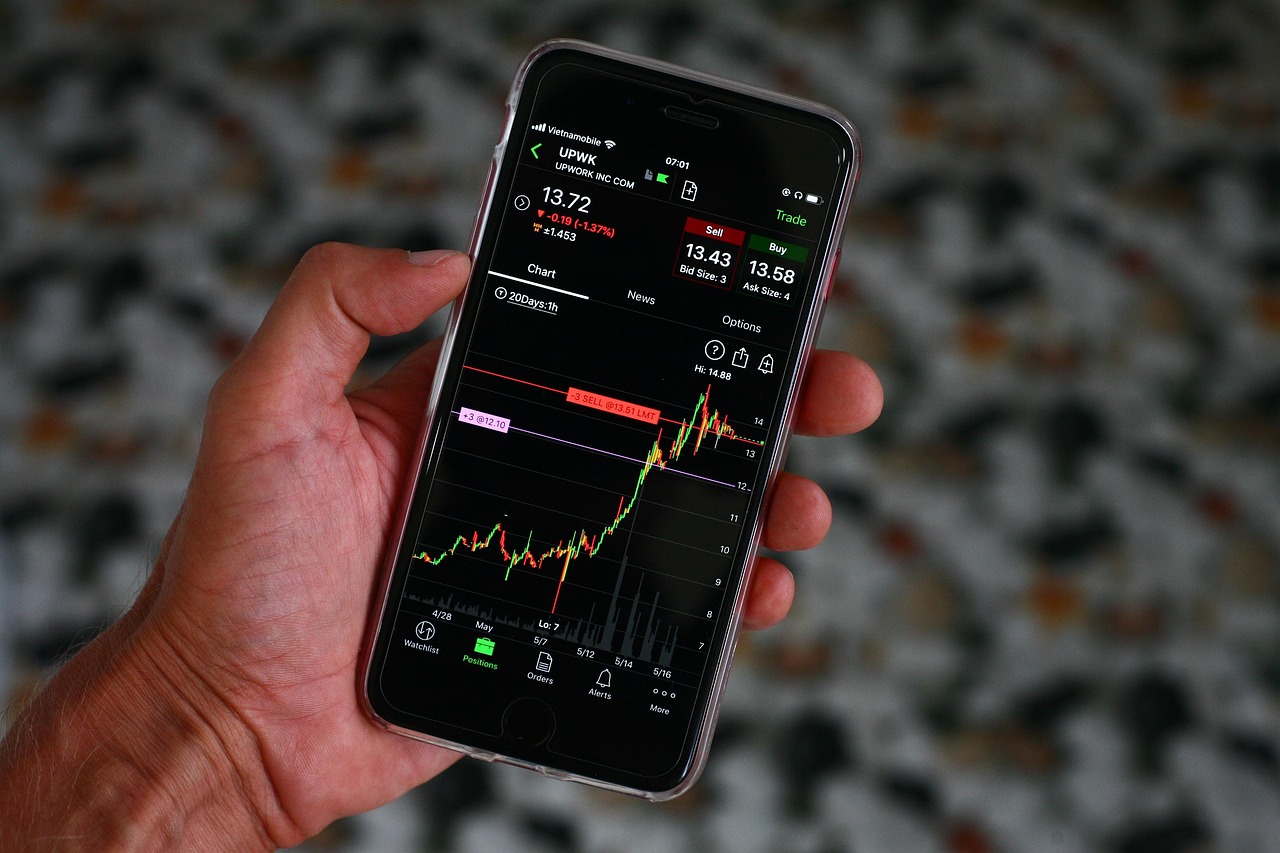
Proprietary trading, or prop trading, is a financial practice where traders use a firm’s capital to trade stocks, commodities, forex, or other financial instruments. Unlike retail traders who trade their own money, prop trading leverage a firm’s resources, allowing them to amplify potential profits while sharing the risk with the company. But why has prop trading become a significant part of modern financial markets?
Recent statistics reveal that the global prop trading market has grown consistently over the past decade. Analysts estimate that prop trading firms collectively manage billions of dollars in capital, providing access to tools, data, and platforms that individual traders might find challenging to acquire. This growth has been fueled by advances in technology, risk management strategies, and the increasing sophistication of trading algorithms.
How Do Prop Trading Firms Support Traders?
Prop trading firms offer several benefits to traders beyond just capital. One of the primary advantages is access to advanced trading platforms. These platforms provide real-time market data, analytics, and execution tools that are often superior to what independent traders can obtain.
Another key feature is risk management support. Prop firms set guidelines and limits for trading strategies, ensuring that exposure remains controlled. This structure helps new traders learn how to manage positions while minimizing potential losses. According to a recent survey, over 60% of traders who started with prop firms reported a faster learning curve compared to solo trading, largely due to these structured environments.
What Are the Requirements to Join a Prop Trading Firm?
To become a prop trader, candidates usually undergo a rigorous evaluation process. Firms assess skills through trading simulations, historical performance reviews, and psychological testing. The goal is to identify traders who can consistently apply strategies with discipline and precision.
Data from industry reports show that successful applicants often possess strong analytical skills, a deep understanding of market mechanics, and the ability to make rapid decisions under pressure. Prop trading firms typically offer training programs, mentorship, and access to proprietary algorithms, which helps candidates refine their strategies.
How Does Capital Allocation Work in Prop Trading?
Capital allocation in prop trading is a critical factor that differentiates it from retail trading. Firms provide varying levels of capital based on experience, strategy, and demonstrated performance. Some traders may start with smaller amounts to prove their skills, while seasoned professionals can manage multi-million-dollar portfolios.
According to recent market research, prop traders can achieve leverage ratios ranging from 5:1 to 20:1 depending on the asset class and risk profile. This leverage amplifies potential returns but also emphasizes the importance of strict risk management practices. Firms often monitor positions in real-time, adjusting capital exposure based on market volatility and trader performance.
What Types of Trading Strategies Are Used by Prop Traders?
Prop traders employ a wide range of strategies to capture profits. These include:
- Day trading: Executing multiple trades within a single day to capitalize on short-term price movements.
- Swing trading: Holding positions over several days or weeks to benefit from market trends.
- Algorithmic trading: Using automated systems to execute trades based on pre-defined rules and market signals.
- Arbitrage: Exploiting price differences across markets or instruments for low-risk profit.
Statistics indicate that algorithmic and quantitative strategies have seen substantial growth within prop trading firms, accounting for nearly 40% of trading activity in major financial hubs. These approaches leverage data analysis, machine learning, and statistical modeling to improve accuracy and reduce emotional bias.
Why Do Traders Prefer Prop Trading Over Independent Trading?
One of the main reasons traders opt for prop trading is access to substantial capital without the need for personal investment. This allows them to focus on developing strategies and executing trades efficiently.
Additionally, prop trading offers structured support and risk oversight, which can prevent catastrophic losses that independent traders might face. A study of trading performance in 2024 revealed that prop traders had an average annual return rate approximately 15% higher than solo traders when accounting for risk-adjusted performance.
How Does Technology Influence Prop Trading?
Technology plays a pivotal role in modern prop trading. High-speed trading platforms, artificial intelligence tools, and real-time market data have revolutionized how traders approach financial markets.
For example, predictive analytics can forecast potential price movements, allowing traders to make informed decisions quickly. Machine learning algorithms can adapt strategies based on changing market conditions, increasing efficiency and reducing human error. Industry reports show that firms investing in cutting-edge technology have seen a 25% increase in trader productivity and profitability.
What Are the Risks Associated With Prop Trading?
While prop trading provides numerous advantages, it is not without risk. Market volatility, leverage, and execution errors can lead to significant losses. Prop trading firms mitigate these risks through strict guidelines, position limits, and real-time monitoring.
Additionally, traders must maintain discipline and adhere to firm protocols. Over-leveraging or deviating from established strategies can result in financial and professional consequences. Statistical analyses indicate that traders who follow disciplined risk management protocols have a 70% higher chance of long-term success compared to those who trade impulsively.
How Do Prop Trading Firms Measure Trader Performance?
Trader performance is a key metric in prop trading. Firms track metrics such as:
- Profit and loss (P&L)
- Win/loss ratios
- Risk-adjusted returns
- Consistency in executing strategies
Regular performance reviews ensure that traders meet both individual and firm-wide objectives. Firms may adjust capital allocation or provide additional support based on these assessments. Data suggests that traders who receive ongoing mentorship and performance feedback improve their profitability by an average of 20% annually.
What Trends Are Shaping the Future of Prop Trading?
Several trends are influencing the evolution of prop trading:
- Increased use of AI and machine learning: Automating decision-making processes to enhance speed and accuracy.
- Remote and global trading access: Cloud-based platforms allow traders to participate from anywhere in the world.
- Emphasis on risk management and compliance: Regulatory scrutiny has increased, prompting firms to adopt stricter policies.
- Diversification of asset classes: From cryptocurrencies to ESG-linked securities, traders are exploring a wider range of markets.
Industry forecasts predict that these trends will continue to expand the scope of prop trading, making it more accessible and technologically advanced.
How Can Aspiring Traders Benefit From Prop Trading Opportunities?
For aspiring traders, prop trading offers a structured path to gain experience, access capital, and develop market strategies. By participating in a supportive environment with advanced tools, they can accelerate their learning curve and potentially increase earnings.
Educational initiatives within prop trading firms, such as simulation programs and mentoring, equip new traders with the skills needed to navigate complex markets. Surveys show that traders with early exposure to prop trading techniques are more likely to achieve sustainable long-term success compared to those who start independently.
Conclusion: Why Prop Trading Continues to Empower Traders
Prop trading represents a unique blend of opportunity, technology, and structured support. By providing access to capital, advanced trading tools, and risk management guidance, prop trading firms empower traders to enhance their skills and achieve financial goals.
Statistics demonstrate that traders within prop trading environments often outperform their independent counterparts, benefiting from mentorship, structured learning, and exposure to diverse markets. As technology continues to evolve and global markets expand, prop trading remains a compelling option for both novice and experienced traders seeking professional growth and financial opportunity.