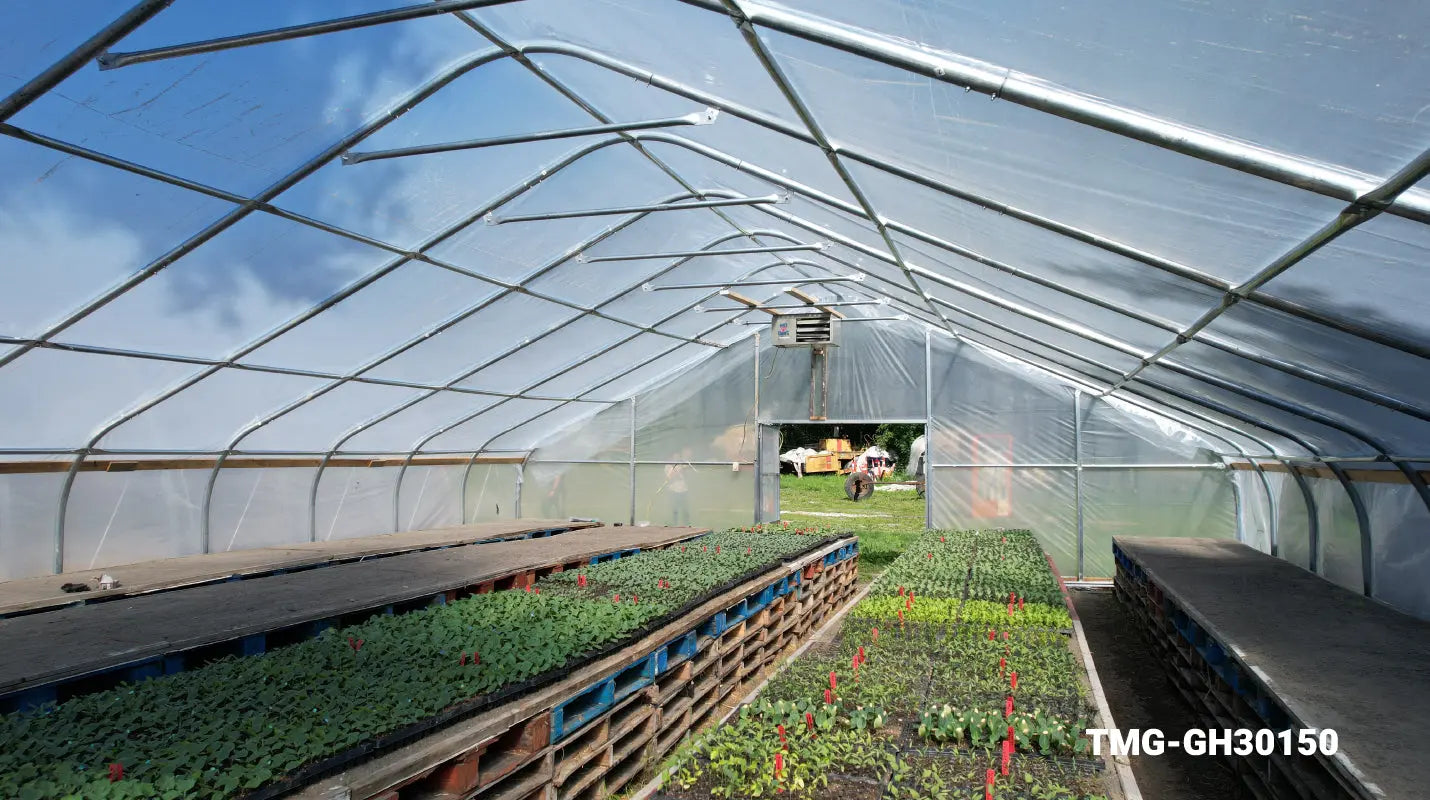
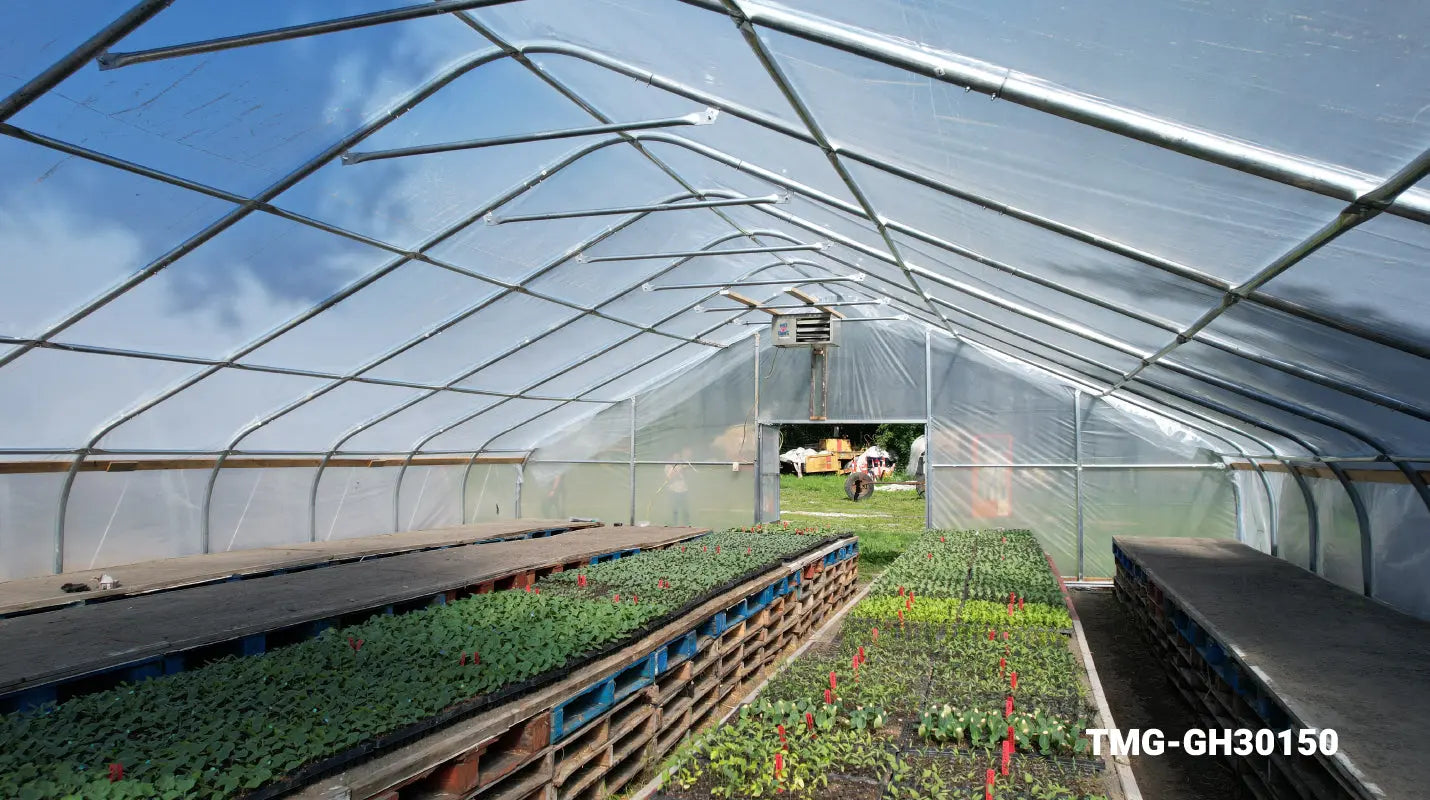
In the ever-evolving world of gardening, one of the most significant innovations is the greenhouse. These structures, once reserved for horticultural professionals, have now become a vital tool for gardeners of all levels. Whether you’re a seasoned plant enthusiast or someone who’s just starting their gardening journey, GreenhouseStores offer a range of benefits that can help elevate your gardening experience. In this article, we’ll explore how greenhouses are revolutionizing the way we grow plants and why they are an essential investment for any modern gardener.
The Growing Trend: Gardening Beyond the Seasons
One of the most compelling reasons for the rising popularity of greenhouses is the ability to grow plants throughout the year, no matter the season. As gardeners strive for sustainability and self-sufficiency, greenhouses provide a controlled environment that allows for consistent growing conditions. This means that crops such as tomatoes, cucumbers, and even exotic plants that would typically be limited to specific seasons or climates can now thrive year-round. For those in colder climates, this is particularly beneficial, as greenhouses protect plants from frost and harsh winter conditions, ensuring a steady supply of fresh produce all year long.
For anyone interested in gardening, this shift to year-round growing is a game changer. No longer do gardeners have to rely on the unpredictability of the seasons. Greenhouses allow for complete control over temperature, humidity, and light, giving growers the freedom to nurture their plants to perfection.
Maximizing Space and Yield with Greenhouse Gardening
Space is often a limiting factor in gardening, particularly for those living in urban areas or with limited backyard space. Greenhouses are the perfect solution to this problem, offering a compact and efficient way to grow a variety of plants in a small area. With the right greenhouse setup, even the smallest urban garden can support a wide range of crops.
A key advantage of greenhouse gardening is the ability to grow more with less. Many gardeners are turning to vertical gardening techniques within their greenhouses, using walls, shelves, or even hanging baskets to grow plants upwards instead of outwards. This allows for better space utilization and higher yields from a smaller footprint. From strawberries to leafy greens, many crops thrive in vertical systems, making them ideal for gardeners who want to make the most out of limited space.
Additionally, greenhouse gardening offers the flexibility to experiment with diverse growing methods, such as hydroponics, aquaponics, and even aeroponics. These soilless growing techniques are gaining popularity due to their efficiency and ability to conserve water while producing abundant harvests. In greenhouses, these methods can be optimized to create an environment where plants grow faster and healthier.
Greenhouses and Environmental Impact: A Sustainable Choice
As sustainability becomes a core focus for many gardeners, greenhouses stand out as an environmentally friendly option. Unlike traditional farming methods that rely heavily on chemical pesticides, herbicides, and fertilizers, greenhouses offer a more sustainable way to grow crops. By controlling the growing environment, gardeners can minimize the need for chemical treatments, allowing them to cultivate plants organically and without the harmful impact on local ecosystems.
Moreover, greenhouses can help conserve water. In many parts of the world, water scarcity is a growing concern, but greenhouses offer an efficient solution. Closed-loop irrigation systems, which recycle water within the greenhouse, help minimize waste and ensure plants receive just the right amount of water. This makes greenhouse gardening an excellent choice for those who are committed to reducing their environmental footprint.
The ability to grow food locally in a greenhouse also helps reduce the carbon footprint associated with transporting produce from farm to table. By growing your own food, you can bypass the need for long-distance shipping, which is a major contributor to greenhouse gas emissions.
Technological Advancements in Greenhouse Design
The future of greenhouse gardening is being shaped by technological advancements that make greenhouse management more efficient and accessible. Modern greenhouses are equipped with high-tech systems that automate climate control, monitor plant health, and optimize water usage. These innovations help reduce the time and effort required to maintain a greenhouse, making it a viable option for even the busiest of gardeners.
For example, smart climate control systems can automatically adjust temperature, humidity, and light levels, ensuring that plants receive the ideal growing conditions. Some greenhouses even have automated shading systems that protect plants from overheating during the hottest parts of the day, while others integrate with mobile apps, giving users the ability to monitor and adjust greenhouse conditions remotely.
These technological improvements also benefit the environment. Energy-efficient heating and cooling systems, coupled with renewable energy sources such as solar panels, can make greenhouses even more sustainable. The integration of renewable energy with greenhouse designs is an exciting trend, allowing gardeners to reduce their reliance on fossil fuels and make their gardening practices more eco-friendly.
The Economic Advantages of Greenhouse Gardening
In addition to the environmental benefits, greenhouse gardening offers several economic advantages. Growing your own produce in a greenhouse can significantly reduce grocery bills, particularly for high-value crops like tomatoes, herbs, and salad greens. For those with a passion for gardening, greenhouses also provide an opportunity to turn a hobby into a small business by selling surplus produce or plants to local markets or online.
Furthermore, investing in a greenhouse can increase the overall value of your property. Homebuyers are increasingly looking for sustainable living solutions, and a well-maintained greenhouse can be an attractive feature that sets your property apart. For anyone interested in reducing their carbon footprint and growing their own food, a greenhouse can be a major selling point.
Conclusion
Greenhouses are more than just a gardening tool—they are a gateway to sustainable, efficient, and year-round growing. As the gardening world embraces technological innovations and a more eco-conscious approach, greenhouses are leading the charge in revolutionizing how we grow plants and produce food. From maximizing space and yield to reducing environmental impact, greenhouses provide countless benefits that enhance the gardening experience for both novice and experienced gardeners alike.
Whether you’re interested in growing food for your family, experimenting with new gardening methods, or creating an eco-friendly space, investing in a greenhouse is a smart decision. By taking control of your growing environment, you can enjoy the fruits of your labor all year long, contribute to sustainability efforts, and even save money in the process. As the future of gardening continues to evolve, greenhouses will remain at the forefront, transforming the way we interact with nature and grow the food that nourishes us.