Why has adaptability become important in modern manufacturing?
Manufacturing continues to evolve through advances in engineering, changing customer expectations, improved production technologies, and new approaches to product development. In this environment, adaptability allows organizations to respond to opportunities while maintaining strong operational standards. Audrey Saylor highlights adaptability as an important part of modern manufacturing because successful production is not simply about following established methods; it is also about understanding when processes, designs, or strategies can be improved.
Jump To
- Why has adaptability become important in modern manufacturing?
- How can adaptable engineering support manufacturing growth?
- What role does technology play in manufacturing adaptability?
- How does experience help professionals adapt to industry changes?
- Why is continuous learning valuable in manufacturing?
- How can adaptability improve product development?
- Can adaptability strengthen manufacturing efficiency?
- How does adaptability support long-term manufacturing success?
- Conclusion
How can adaptable engineering support manufacturing growth?
Engineering teams often work across changing specifications, materials, production requirements, and market conditions. An adaptable approach allows professionals to evaluate new information and adjust designs without losing sight of quality or performance.
Flexible engineering can also encourage experimentation and improvement. When teams are comfortable reviewing existing processes, they can discover more efficient ways to solve production challenges and develop products that better match evolving requirements.
What role does technology play in manufacturing adaptability?
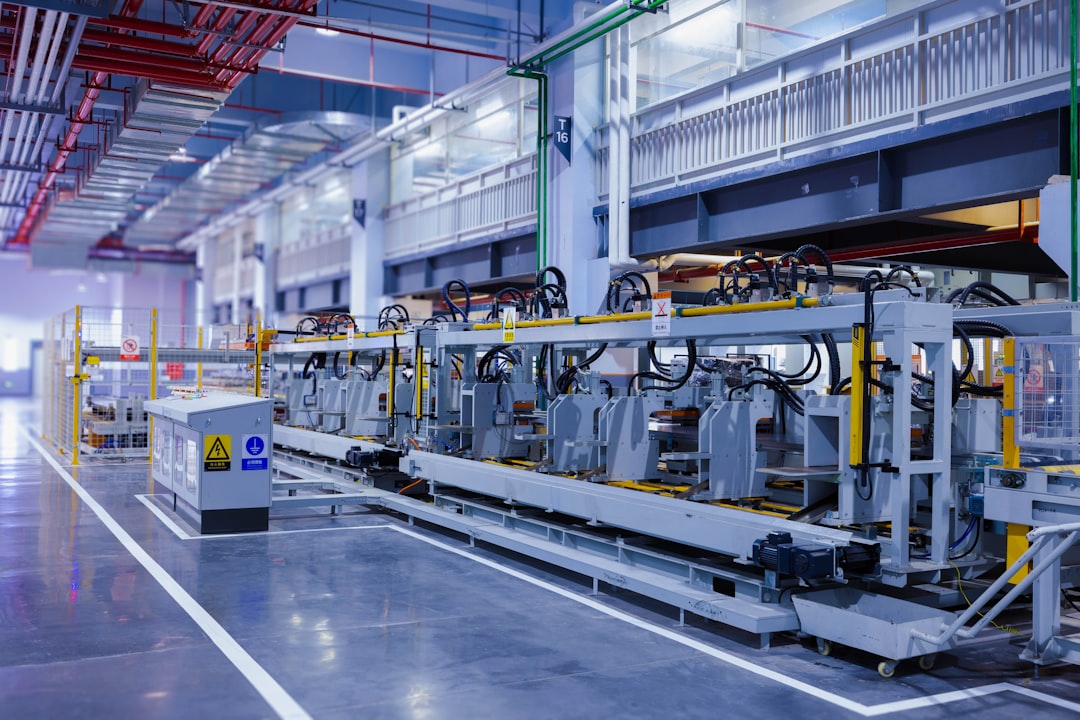
Technology provides manufacturers with new ways to design, analyze, produce, and evaluate products. Digital engineering platforms, automated equipment, advanced measurement tools, and modern fabrication systems can make production more flexible and responsive.
The value of technology depends on how effectively it is integrated into existing operations. Teams that understand both technological capabilities and practical manufacturing needs can use new tools to support better decision-making and improved production performance.
How does experience help professionals adapt to industry changes?
Experience provides a foundation for understanding which changes can create meaningful value. Professionals with manufacturing backgrounds can compare new approaches with established practices and determine where improvements may be most useful.
Audrey Saylor South Dakota represents a professional context connected with an individual whose experience spans education, engineering, and manufacturing. This combination demonstrates how knowledge from different professional environments can support an adaptable perspective and encourage thoughtful responses to changes within the industry.
Why is continuous learning valuable in manufacturing?
Continuous learning allows engineering and manufacturing professionals to keep developing their technical knowledge and understanding of emerging practices. Learning can involve new design methods, production technologies, material applications, quality approaches, or management strategies.
A learning-focused culture also benefits organizations because employees become better prepared to evaluate new opportunities. Rather than treating change as a disruption, teams can approach it as an opportunity to strengthen their capabilities.
How can adaptability improve product development?
Product development often involves adjustments as engineers learn more about materials, production methods, customer requirements, and performance expectations. Adaptability enables development teams to refine their approach while maintaining the core purpose of a product.
This flexibility can support more efficient development cycles and encourage practical innovation. It also allows teams to respond constructively when new information suggests that a design or production method can be improved.
Can adaptability strengthen manufacturing efficiency?
Yes. Adaptability can contribute to efficiency by helping manufacturers identify processes that no longer provide the best possible results. Reviewing workflows, equipment usage, material handling, and production requirements can reveal opportunities for improvement.
An adaptable organization can make informed adjustments rather than relying exclusively on traditional procedures. Over time, these improvements can support greater consistency, productivity, and resource management.
How does adaptability support long-term manufacturing success?
Long-term success requires organizations to remain prepared for changing conditions while protecting the qualities that already work well. Adaptability provides a balance between maintaining reliable foundations and exploring better approaches.
Manufacturers that encourage flexible thinking can create an environment where engineering, production, and business teams work together toward continuous improvement. This shared approach can strengthen both innovation and operational resilience.
Conclusion
Adaptability gives modern manufacturers the ability to respond positively to technological, operational, and market developments. It encourages continuous learning, thoughtful engineering, flexible product development, and practical process improvement. Audrey Saylor reflects the value of combining industry experience with an open approach to evolving manufacturing practices. By embracing adaptability while maintaining strong quality standards, manufacturers can build more capable operations and create sustainable opportunities for future growth.
Quick Summary
- Adaptability allows organizations to respond to opportunities while maintaining strong operational standards in modern manufacturing.
- Engineering teams benefit from an adaptable approach by being able to evaluate new information and adjust designs without compromising quality or performance.
- Technology integration into existing operations enhances manufacturing adaptability by providing tools for better decision-making and improved production performance.
- Continuous learning in manufacturing equips professionals to assess and implement new design methods, production technologies, and management strategies.
- Adaptability enables product development teams to refine their approaches efficiently as they learn more about materials and customer requirements.
- Manufacturers that promote flexible thinking can enhance both innovation and operational resilience through shared approaches across teams.