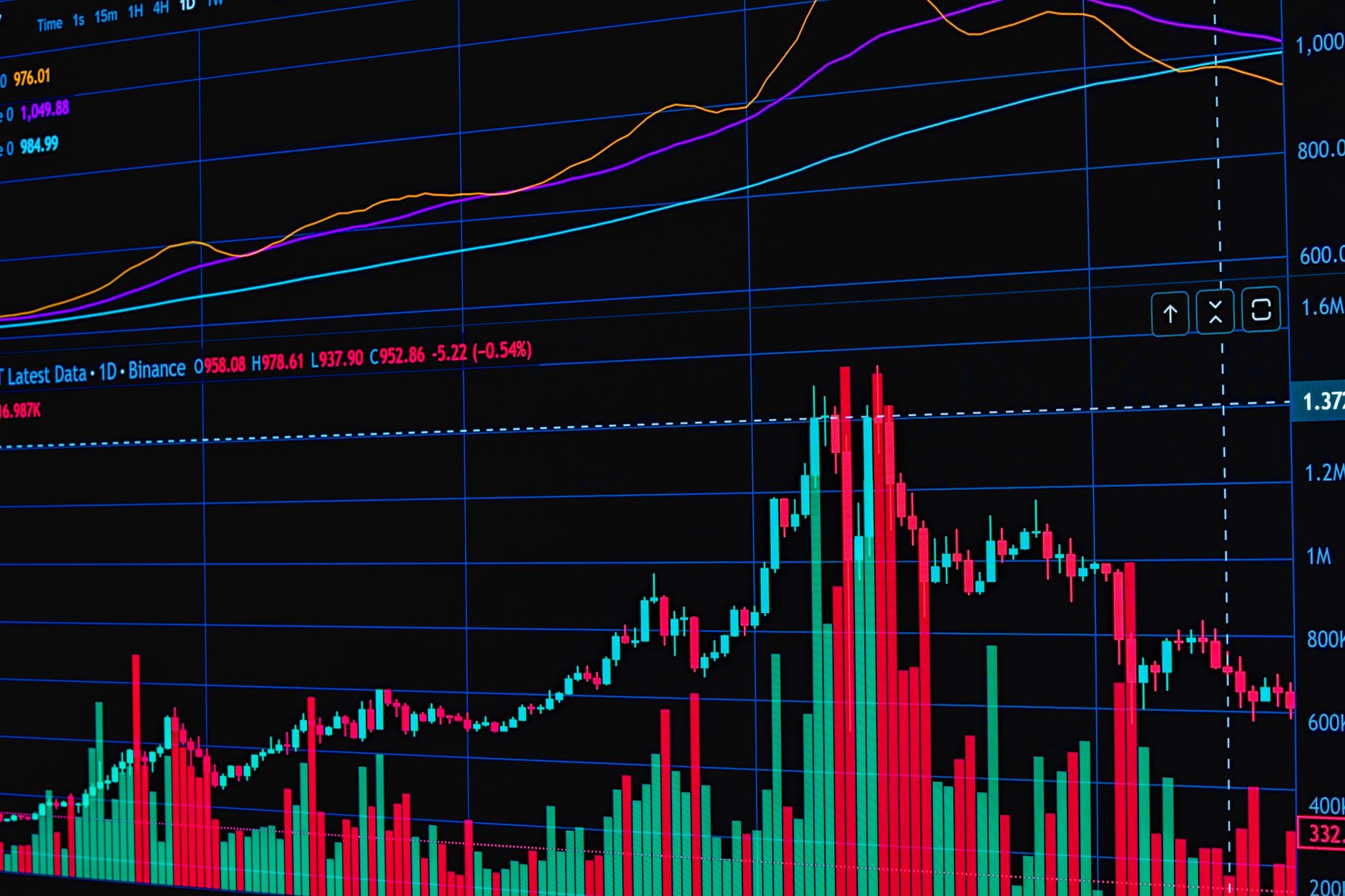
Ravinder Heights trading window is closing ahead of their Q2 financial results. This decision raises questions about the company’s performance and investor strategy.
Understanding the Trading Window
The trading window for Ravinder Heights has garnered attention as it recently closed ahead of the release of Q2 financial results. This temporary cessation of trading is a common practice among companies, aimed at ensuring that all investors have equal access to information before significant announcements are made. Understanding the trading window is essential for potential investors who are considering their options.
During this period, insiders are prohibited from buying or selling shares, which can create a sense of anticipation in the market. Investors must weigh the potential risks and rewards carefully. Factors to consider include:
- Market Trends: Analyze the overall market sentiment regarding real estate investments.
- Company Performance: Review past performance metrics of Ravinder Heights.
- Future Projections: Consider analyst predictions post-Q2 results.
Ultimately, assessing the timing of the Ravinder Heights trading window is crucial for informed investment decisions.
Implications of Closing the Trading Window
The recent closure of the Ravinder Heights trading window has raised questions among investors regarding its implications. As the company prepares to release its Q2 financial results, many analysts are speculating about the potential impact on stock performance.
Investors should consider the following factors:
- Market Reaction: Historically, trading windows can influence stock price volatility, especially before significant announcements.
- Financial Performance: The upcoming results are crucial; strong earnings could lead to a surge in stock value, while disappointing figures might trigger sell-offs.
- Investment Timing: For those eyeing the Ravinder Heights trading window, understanding market sentiment and analyst forecasts could help inform their investment decisions.
In conclusion, while the closure signals caution, it is essential for investors to stay informed and evaluate their strategies as the announcement date approaches.
What Investors Should Know
Investors looking at the Ravinder Heights trading window should be aware of several key factors before making decisions. With the trading window closing ahead of the Q2 financial results, it’s essential to consider the following:
- Market Trends: Analyze current market trends and how they may impact the company’s stock performance.
- Financial Health: Review the company’s financial statements from previous quarters to gauge stability and growth potential.
- Management Insights: Pay attention to any statements or forecasts issued by company management regarding future performance.
- Investment Goals: Align your investment strategy with your financial goals and risk tolerance.
While the closing of the trading window can create uncertainty, thoughtful analysis can lead to informed investment choices.
Ravinder Heights Q2 Performance Expectations
As Ravinder Heights prepares to release its Q2 financial results, analysts are keenly observing the implications of the recently closed trading window. Expectations are high, with many experts predicting a robust performance driven by strategic initiatives undertaken in the previous quarter.
Key performance indicators to watch include:
- Revenue Growth: Analysts estimate a significant uptick in sales, attributed to new product launches.
- Profit Margins: Increased efficiency and cost management efforts may lead to improved margins.
- Market Expansion: Successful ventures into new markets could enhance overall performance.
Investors are left wondering if this is the right time to invest, particularly in light of the recent closure of the Ravinder Heights trading window, which has led to heightened speculation and anticipation in the market.
Market Reactions to Trading Changes
Market reactions to the recent closure of the Ravinder Heights trading window have been varied, reflecting investor sentiment amidst uncertainty. Many analysts suggest that this move could be a strategic pause, allowing the company to stabilize before releasing its Q2 financial results.
Investors are particularly focused on the implications of this decision, weighing the potential benefits against the risks of holding onto their shares during this period. Some market experts indicate that the trading window closure may lead to a temporary dip in stock prices, as traders react to the news.
However, others argue that this is an opportune moment for long-term investors to consider entering the market. With expectations of robust performance in the upcoming quarter, the Ravinder Heights trading window may soon present valuable investment opportunities.
- Increased volatility expected.
- Long-term growth potential remains strong.
Analyzing Past Financial Results
Investors are closely monitoring the Ravinder Heights trading window as they analyze past financial results to gauge future performance. In recent quarters, the company has displayed a consistent upward trajectory, showcasing robust revenue growth and improved profit margins.
Key highlights from previous financial reports include:
- Q1 Revenue: Achieved a 15% increase year-over-year, reflecting strong demand in core markets.
- Net Income: Rose by 10%, driven by cost efficiencies and strategic investments.
- Operating Cash Flow: Remained positive, enhancing liquidity and enabling future expansions.
However, challenges such as fluctuating market conditions and competitive pressures remain. As the trading window closes ahead of the upcoming Q2 results, investors are advised to weigh these historical performances against current market dynamics before making investment decisions.
Future Outlook for Ravinder Heights
As the Ravinder Heights trading window closes, investors are left contemplating the future outlook for the company. Analysts suggest that the key to potential growth lies in the upcoming Q2 financial results, which are expected to provide insights into the company’s operational efficiency and market position.
Market experts emphasize the importance of strategic investments during this period. Factors to consider include:
- Market Trends: Observing broader market movements can guide investment decisions.
- Competitive Landscape: Understanding how Ravinder Heights stands against its competitors is crucial.
- Financial Health: Evaluating the company’s balance sheet and cash flow will help assess long-term viability.
Ultimately, the closing of the Ravinder Heights trading window may present both risks and opportunities for savvy investors looking to capitalize on future growth potential.
Read the original
Related stories
Commission Caps Insurance: The Smart Move for Stability · NSE IPO listing: Proven Gains for Investors Revealed · Junk Food Near Schools: Smart Strategies for Healthier Choices