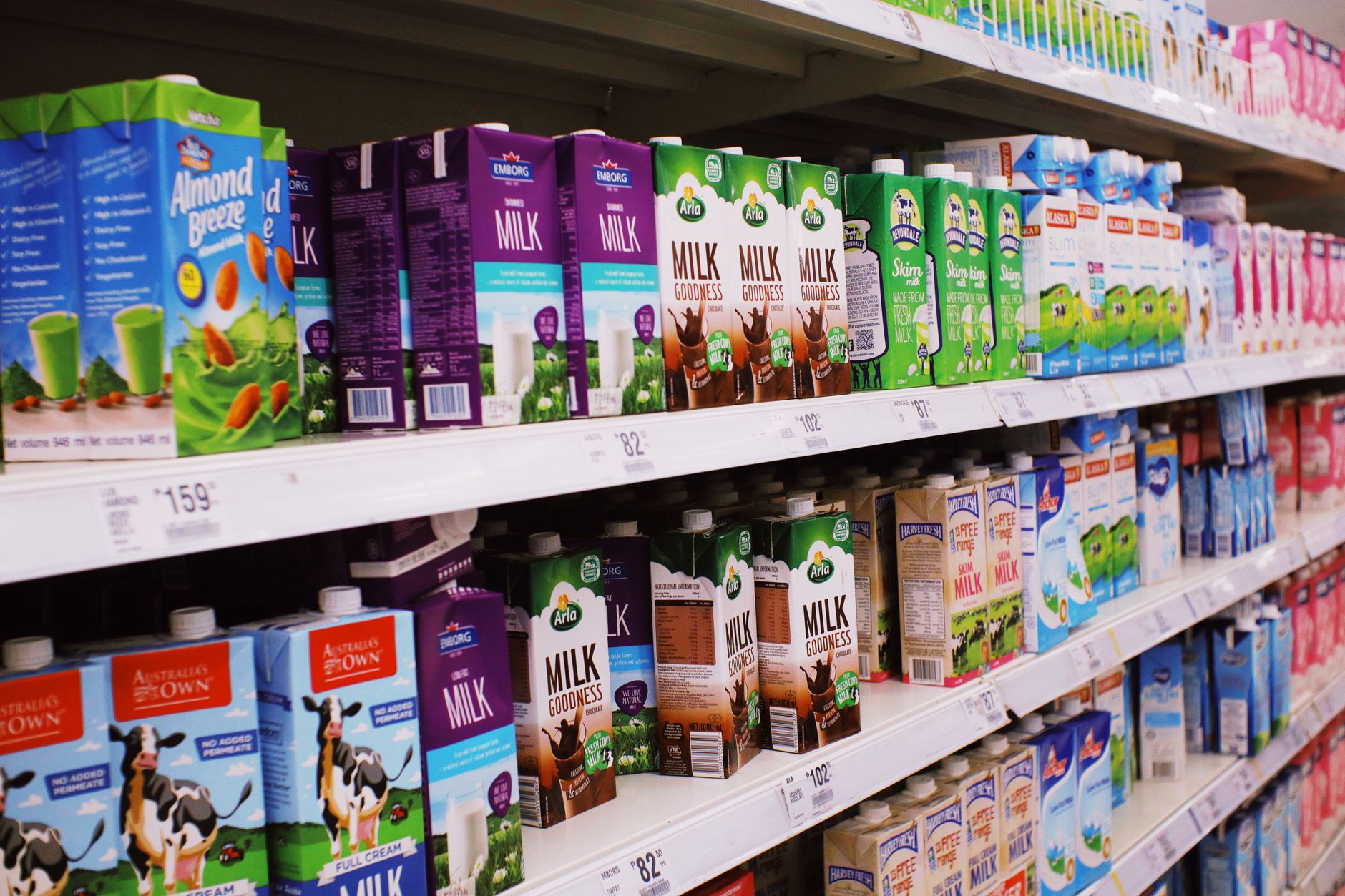
Amul milk price hike has recently become a hot topic as the price increases by Rs 6. This change is significant for many households relying on Amul milk.
Understanding the Amul Milk Price Hike
The recent announcement regarding the Amul milk price hike has left many consumers concerned about the rising cost of dairy products. Effective immediately, the price of Amul milk has increased by Rs 6 per liter, a change that has significant implications for households across the country.
This price hike marks one of the most substantial increases in recent times, raising questions about the factors driving this decision. Key reasons behind the surge include:
- Increased production costs: Rising prices for fodder and transportation have impacted overall milk production expenses.
- Demand fluctuations: An ongoing rise in consumer demand for dairy products has put pressure on supply chains.
- Market conditions: Economic factors such as inflation and changes in consumer purchasing power have contributed to the price adjustment.
As consumers brace for the effects of this Amul milk price hike, many are left wondering how it will affect their monthly budgets and dietary choices.
Impact on Consumers and Households
The recent Amul milk price hike has left many consumers and households grappling with increased grocery bills. With the price rising by Rs 6 per liter, families are now forced to reconsider their daily consumption habits. This adjustment may seem minor, but for households relying on milk as a staple, the impact can be significant.
As prices soar, consumers are expressing concern about their budgets. The following points highlight the effects of this increase:
- Increased Budget Strain: Many families are adjusting their monthly budgets to accommodate higher milk prices.
- Shift in Consumption: Some households may reduce their overall milk intake or switch to alternative dairy products.
- Potential Health Implications: A decrease in milk consumption could affect nutritional intake, especially for children.
Overall, the Amul milk price hike is not just a financial concern; it also raises questions about dietary choices and health for many families across the country.
Reasons Behind the Price Increase
The recent Amul milk price hike has raised eyebrows among consumers, prompting questions about the factors driving this increase. Several reasons have been cited for the decision to raise prices, which has become a topic of discussion across households.
- Rising Input Costs: The cost of feed and fodder has seen a significant increase, affecting dairy farmers’ expenses.
- Inflation: Overall inflation in the economy has led to higher operational costs for dairy production.
- Supply Chain Issues: Disruptions in supply chains due to various factors have contributed to increased costs.
- Increased Demand: A growing demand for dairy products, especially in urban areas, has pressured prices upward.
As consumers brace for the impact of the Amul milk price hike, many are left wondering how this will affect their daily budgets and whether alternatives might be necessary in the face of rising prices.
Comparing Prices with Competitors
The recent Amul milk price hike has raised questions about how it compares to competitors in the market. As Amul increases its prices, consumers are closely monitoring the rates set by other dairy brands.
Currently, the price of Amul full cream milk stands at Rs 66 per liter, following a Rs 6 hike. This change has prompted many to evaluate alternatives.
- Mother Dairy: Priced at Rs 64 per liter, it offers a slightly lower option for consumers.
- Vita Milk: Available at Rs 65 per liter, Vita remains competitive but has also faced price adjustments recently.
- Nandini: This popular brand is priced at Rs 63 per liter, attracting customers looking for quality at a lower cost.
As the Amul milk price hike creates ripples, consumers are reconsidering their choices, leading to potential shifts in brand loyalty.
Future Predictions for Milk Prices
As the dust settles on the recent Amul milk price hike, consumers and industry analysts are left contemplating the future of milk prices in India. With the latest increase of Rs 6 per liter, many are questioning if this trend will continue or if it represents a temporary adjustment in response to market dynamics.
Experts predict several factors could influence future prices:
- Supply Chain Stability: If disruptions persist, further increases may be necessary to maintain profitability.
- Consumer Demand: A sustained rise in demand for dairy products could lead to additional hikes, as producers adapt to market needs.
- Feed Prices: Fluctuations in feed costs directly impact milk production expenses, potentially resulting in further price adjustments.
- Government Policies: Changes in regulations or subsidies could either alleviate or exacerbate price pressures.
As the industry navigates these challenges, the Amul milk price hike may be just the beginning of a new pricing landscape for consumers.
Photo by Nothing Ahead on Pexels
