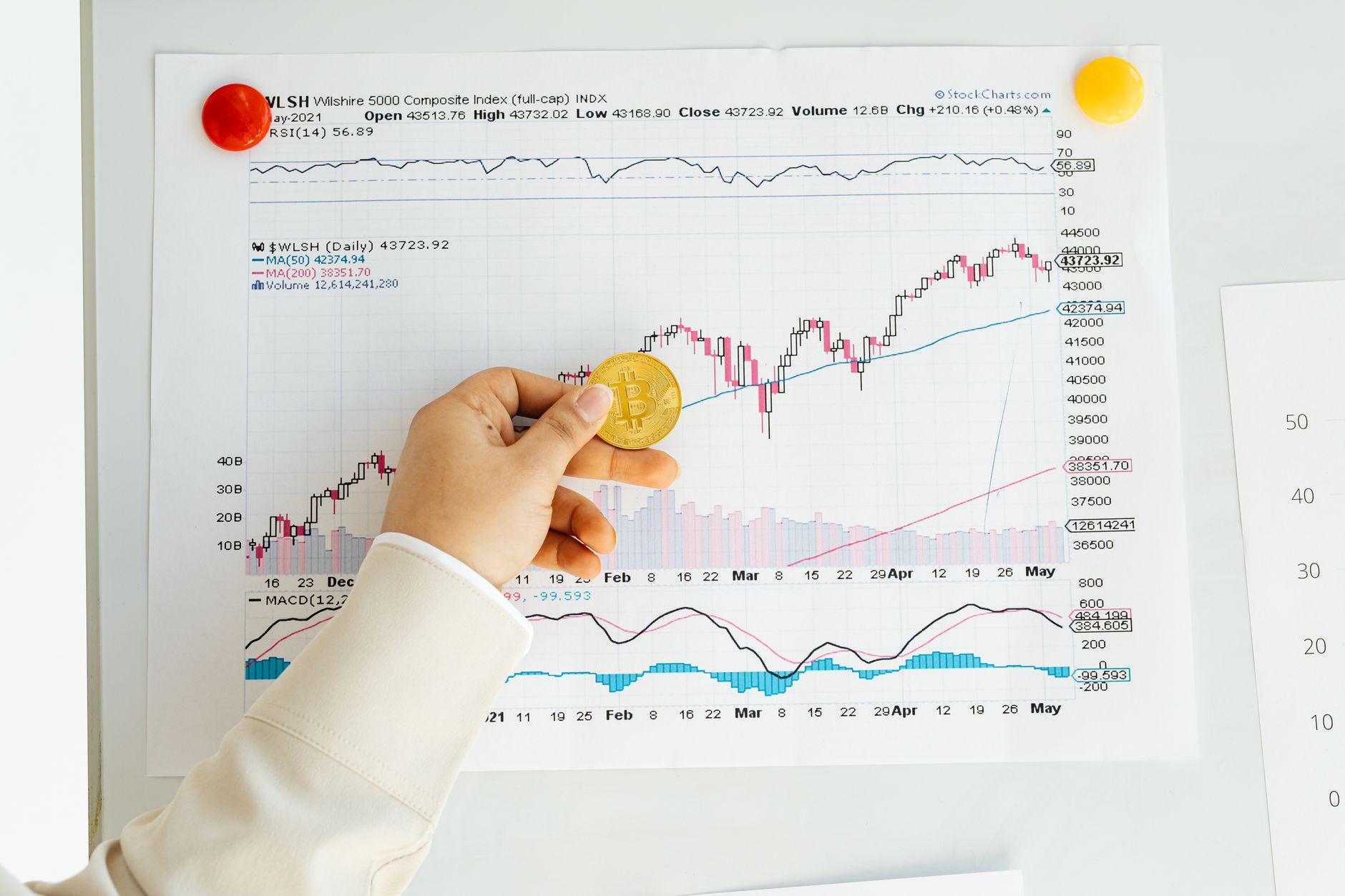
Gold price forecast indicates that Gold (XAUUSD) holds at $4,088 as the CPI test looms. Investors are keenly watching if it can break the critical level of $4,147.
Current Gold Market Trends
The current gold market is experiencing notable fluctuations as investors closely monitor economic indicators and geopolitical events. The recent price movements, particularly in the context of inflation and interest rates, are significantly influencing the gold price forecast.
As of now, gold is holding steady around $4,088 per ounce, demonstrating resilience in a volatile market. Analysts suggest that the upcoming Consumer Price Index (CPI) report could be a critical factor in determining the next movement of gold prices. A higher-than-expected CPI could increase demand for gold as a hedge against inflation.
Several key trends are emerging in the current gold market:
- Investor Sentiment: Many investors are turning to gold as a safe-haven asset amidst economic uncertainty and fluctuating stock markets.
- Global Demand: Demand for gold is rising in various sectors, including jewelry and technology, which could support prices in the long term.
- Geopolitical Tensions: Ongoing geopolitical issues may lead to increased volatility in the market, further impacting the gold price forecast.
In summary, the gold market remains dynamic, and staying informed about these trends will be crucial for investors looking to navigate the evolving landscape.
Understanding CPI’s Impact on Gold
The Consumer Price Index (CPI) plays a crucial role in shaping the gold price forecast, as it serves as a primary indicator of inflation. Investors closely monitor the CPI to gauge the potential for rising prices, which often leads to increased demand for gold as a hedge against inflation.
When the CPI reports higher than expected inflation, it typically influences gold prices positively. This is because investors tend to flock to gold as a safe-haven asset, seeking to preserve their wealth in uncertain economic times. Conversely, a lower-than-expected CPI can create a bearish outlook for gold, as it may indicate a stable economy where interest rates are likely to rise, making non-yielding assets like gold less attractive.
Several factors contribute to the relationship between CPI and gold prices:
- Inflationary Pressures: Increased demand for gold often follows inflationary spikes.
- Interest Rates: Higher interest rates can lead to a stronger dollar, negatively impacting gold prices.
- Market Sentiment: Investor sentiment is heavily influenced by CPI data, affecting gold demand.
As investors navigate the complexities of the market, understanding the CPI’s impact on gold can provide valuable insights into future price movements and help refine their gold price forecast strategies.
Gold Price Forecast Analysis
The gold price forecast is becoming increasingly critical as market dynamics shift and external factors influence investor sentiment. Recent data suggests that gold prices are currently stabilizing around the $4,088 mark, which is a crucial support level. Analysts believe that this stability is essential for the upcoming period, especially with the Consumer Price Index (CPI) data looming on the horizon.
In examining the gold price forecast, several key factors are at play:
- Market Sentiment: Investor confidence in gold as a safe haven remains strong, particularly amidst ongoing economic uncertainties.
- Interest Rates: The potential for interest rate hikes can impact gold prices significantly, as increased rates generally lead to lower gold demand.
- Global Events: Geopolitical tensions often drive investors towards gold, enhancing its appeal as a protective asset.
- Inflation Outlook: As inflation concerns rise, gold is viewed as a hedge, which may push prices higher.
Looking ahead, the $4,147 level acts as a significant resistance point. If gold can break through this threshold, it could signal a bullish trend, aligning with the optimistic gold price forecast many analysts are projecting. Investors should remain vigilant and monitor these factors closely as they navigate the complex gold market.
Key Resistance Levels for Gold
As investors closely monitor the evolving landscape of gold prices, identifying key resistance levels is crucial for making informed decisions. Currently, the gold market is facing significant resistance around the $4,147 mark. This level has previously proven to be a challenging barrier for gold prices, and breaking through it could signal a bullish trend for the market.
In addition to the immediate resistance at $4,147, there are several other levels to watch:
- $4,200: This psychological level may attract profit-taking and lead to increased volatility.
- $4,250: A break above this level could strengthen the gold price forecast as it indicates robust buying interest.
- $4,300: Should prices reach this point, it could signify a major shift in market sentiment, potentially attracting new investors.
As the market reacts to external factors such as inflation data and global economic conditions, these resistance levels will play a pivotal role in shaping gold’s trajectory. Investors should remain vigilant and consider these thresholds when strategizing their positions in the gold market.
Investor Sentiment and Gold
Investor sentiment plays a crucial role in shaping the dynamics of gold prices. As market participants react to economic indicators and geopolitical events, the demand for gold as a safe-haven asset tends to fluctuate significantly. In recent weeks, this sentiment has been notably influenced by the approaching Consumer Price Index (CPI) report, which is expected to provide insights into inflation trends.
Many investors are closely monitoring the gold price forecast, particularly as it relates to potential shifts in monetary policy. If inflation continues to rise, central banks may adopt a more hawkish stance, which could lead to increased volatility in financial markets. Consequently, the allure of gold as a protective asset may become even stronger.
Furthermore, the technical analysis of gold prices suggests that maintaining above certain support levels is essential for sustaining positive investor sentiment. Recent fluctuations have prompted traders to reassess their positions, leading to a mixed outlook on gold’s near-term trajectory.
To summarize, key factors influencing investor sentiment regarding gold include:
- Economic indicators such as CPI.
- Geopolitical tensions affecting market stability.
- Central bank policies and interest rates.
As the market continues to evolve, investors will need to stay attuned to these elements when considering their gold price forecast strategies.
Silver Price Outlook
The silver price outlook remains closely tied to the movements in gold prices, reflecting the overall trends in precious metals. As investors consider the gold price forecast, silver often serves as a complementary investment, reflecting similar market sentiments and economic indicators.
Currently, silver is showing signs of volatility, driven by several factors:
- Market Demand: The industrial demand for silver, particularly in electronics and renewable energy sectors, continues to influence its price. Increased production in these industries may boost demand.
- Economic Indicators: Inflation and interest rates, closely monitored by investors, also affect silver pricing. As interest rates rise, silver may struggle to maintain its appeal compared to interest-bearing assets.
- Global Uncertainty: Geopolitical tensions and economic instability can lead to increased investment in precious metals, including silver, as a safe haven.
- Correlation with Gold: Movements in gold prices frequently affect silver prices. A strong gold price forecast may result in bullish sentiment for silver as well.
As we move forward, investors should remain vigilant regarding these factors, as they will undoubtedly shape the silver market’s trajectory in conjunction with gold price movements.
Photo by https://kaboompics.com/ on Pexels