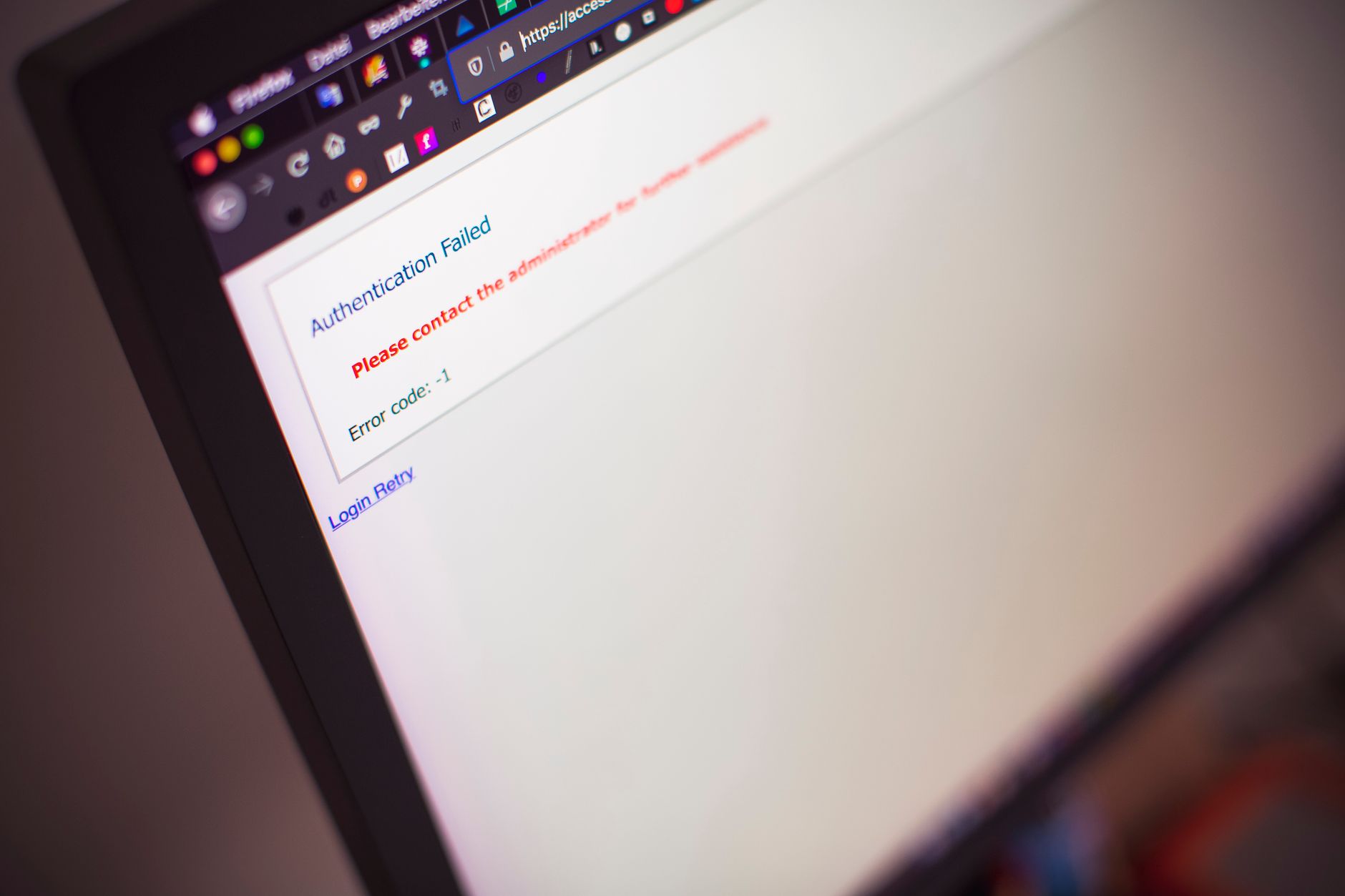
The hijacked German website incident has raised significant alarms among cybersecurity experts. OpenAI has reported this issue to the EU, highlighting the potential risks involved in such breaches.
What Happened with the Hijacked German Website?
Recently, a hijacked German website drew significant attention after it was reported that sensitive information was compromised. The incident, which has raised alarms among cybersecurity experts, involved unauthorized access to the site, leading to the exposure of personal data of numerous users.
The European Commission confirmed that OpenAI submitted an incident report detailing the breach and its potential ramifications. Authorities are now investigating the extent of the hijacking and its impact on the public.
Key concerns surrounding the hijacked German website include:
- Data Privacy: The potential for personal information to be misused.
- Security Vulnerabilities: Identification of weaknesses that allowed the hijacking.
- Public Trust: Erosion of confidence in online platforms.
The situation underscores the importance of robust cybersecurity measures to protect sensitive data.
OpenAI’s Response to the Incident
In response to the hijacked German website incident, OpenAI has taken proactive measures to address the situation. The company promptly submitted an EU incident report detailing the event and its implications. This report outlines the circumstances surrounding the hijacking, including potential data breaches and security vulnerabilities that may have been exploited.
OpenAI emphasized the importance of transparency and collaboration with regulatory bodies to ensure that such incidents are dealt with effectively. The organization is committed to enhancing its security protocols to prevent future occurrences.
In addition, OpenAI is engaging with cybersecurity experts to analyze the incident thoroughly. The overarching goal is to protect users and maintain trust in their services. As the investigation unfolds, the focus remains on understanding the risks posed by the hijacked German website and implementing measures to safeguard against similar threats in the future.
EU’s Role in Cybersecurity
The European Union plays a crucial role in addressing cybersecurity threats, especially in cases like the hijacked German website incident. The EU’s cybersecurity agency, ENISA, has been actively involved in providing guidelines and support to member states in strengthening their digital defenses.
In this context, the EU has implemented various regulations aimed at enhancing the security of online platforms, including:
- The General Data Protection Regulation (GDPR), which imposes strict data protection measures.
- The Directive on Security of Network and Information Systems (NIS Directive), enhancing cybersecurity across critical sectors.
- The Cybersecurity Act, establishing a framework for EU-wide cybersecurity certification.
These measures are essential for mitigating risks associated with incidents like the hijacked German website, ensuring that both users and businesses can operate safely in the digital landscape.
Implications of Website Hijacking
The implications of a hijacked German website extend far beyond the immediate loss of control over the site. Such incidents can lead to significant risks for both users and organizations.
Data Breaches: When a website is hijacked, sensitive user information may be compromised, leading to identity theft and financial loss.
Reputation Damage: Businesses associated with the hijacked site may suffer reputational harm, impacting customer trust and loyalty.
Increased Cybersecurity Threats: A hijacked German website can serve as a platform for further cyberattacks, potentially endangering other systems and networks.
Moreover, the incident highlights the need for robust cybersecurity measures and greater awareness among users about the risks of navigating compromised websites. As such breaches become more common, both individuals and organizations must remain vigilant to safeguard their digital presence.
How to Protect Your Website from Hijacking
Protecting your website from hijacking is crucial in today’s digital landscape. There are several steps you can take to enhance your security and safeguard your online presence.
- Regularly Update Software: Keep all website software, plugins, and themes updated to patch known vulnerabilities.
- Use Strong Passwords: Implement complex passwords and change them regularly to reduce the risk of unauthorized access.
- Implement HTTPS: Secure your site with an SSL certificate, ensuring encrypted connections between your server and users.
- Backup Data: Regularly back up your website to recover quickly in case of an attack.
- Monitor for Suspicious Activity: Utilize security tools to detect and respond to unusual behavior on your site.
By following these strategies, you can significantly reduce the risk of your website becoming another hijacked German website, protecting both your content and your users.
Photo by Markus Spiske on Pexels