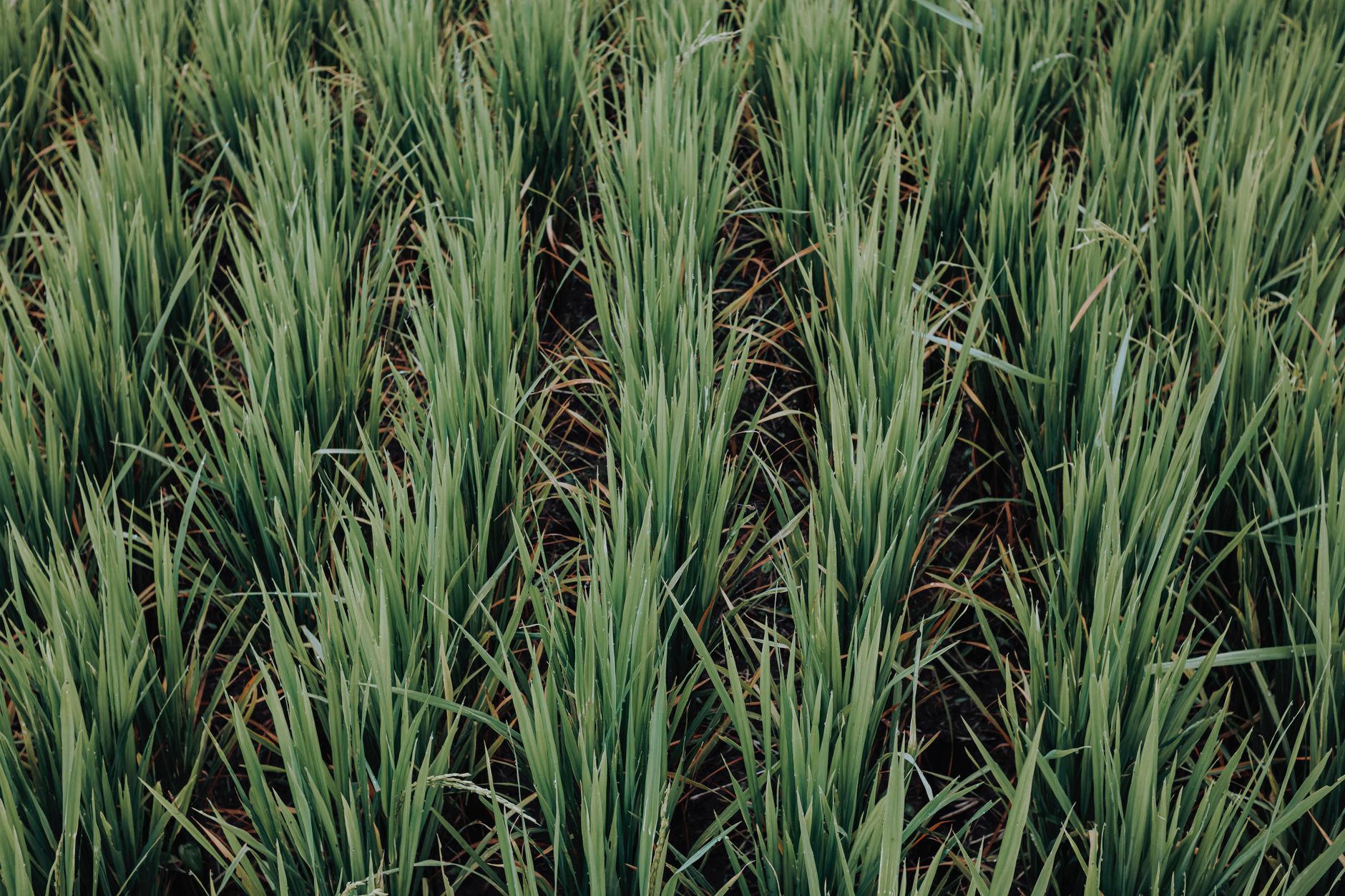
Methane emissions rice farming is a critical environmental concern. Recently, Paris-based CarbonFarm raised €7 million to tackle this issue effectively.
Understanding Methane Emissions in Agriculture
Methane emissions from rice farming are a significant contributor to greenhouse gas emissions in agriculture. As rice paddies provide an anaerobic environment, they create ideal conditions for methane-producing microbes. These emissions can have a profound impact on climate change, as methane is over 25 times more potent than carbon dioxide over a 100-year period.
To understand the challenge, it is crucial to recognize the factors that influence methane production in rice fields. Key factors include:
- Water management: Flooded fields promote anaerobic conditions, increasing methane emissions.
- Soil health: The microbial population in the soil can be influenced by agricultural practices.
- Crop variety: Certain rice varieties can produce less methane than others.
Through innovative strategies and practices, farmers can significantly reduce methane emissions from rice farming, contributing to a more sustainable agricultural system.
The Role of Rice Farming in Greenhouse Gases
Rice farming is a significant contributor to global methane emissions, a potent greenhouse gas that exacerbates climate change. This agricultural practice involves the cultivation of rice in flooded fields, which creates anaerobic conditions conducive to methane production by microbes in the soil.
According to recent studies, rice cultivation accounts for approximately 10% of total methane emissions worldwide. The continuous flooding of rice paddies, while beneficial for rice growth, leads to increased methane release. This challenge is particularly acute in regions where rice farming is a primary source of sustenance and livelihood.
To combat these emissions, various strategies have been proposed, including:
- Alternate Wetting and Drying (AWD): This practice reduces water usage and minimizes methane production.
- Improved Rice Varieties: Developing and planting rice strains that produce less methane.
- Incorporating Organic Matter: Adjusting soil amendments to enhance microbial activity that mitigates methane emissions.
Implementing these methods can significantly reduce the impact of methane emissions from rice farming.
CarbonFarm’s Innovative Solutions
Paris-based CarbonFarm has emerged as a leader in addressing methane emissions in rice farming through innovative solutions aimed at reducing the agricultural sector’s environmental impact. The company recently secured €7 million in funding to further develop its technologies.
CarbonFarm focuses on several key strategies:
- Alternative Cultivation Techniques: Implementing rice cultivation methods that minimize water usage and enhance soil health.
- Bioengineering: Developing rice varieties that produce less methane during the growth cycle.
- Data-Driven Approaches: Utilizing satellite imagery and AI analytics to optimize farming practices and monitor emissions.
- Farmer Education: Providing training and resources to help farmers adopt sustainable practices.
These efforts not only aim to lower methane emissions but also contribute to enhancing food security and promoting sustainable agriculture globally.
Funding and Support for Environmental Startups
Funding and support for environmental startups are crucial in the fight against methane emissions in rice farming. Recently, the Paris-based startup CarbonFarm successfully raised €7 million to develop innovative solutions aimed at significantly reducing these harmful emissions. This funding round highlights the growing interest from investors in sustainable agricultural practices.
With governments and private investors increasingly recognizing the importance of addressing climate change, initiatives that focus on methane emissions from agricultural sources are gaining traction. The support not only provides capital for research and development but also encourages collaboration among startups and established agricultural sectors.
Furthermore, organizations are beginning to offer mentorship and resources for these startups, facilitating the sharing of knowledge and best practices. By combining financial support with strategic guidance, the potential for breakthroughs in reducing methane emissions in rice farming has never been more promising, reinforcing the critical role of innovation in sustainable agriculture.
Impact of Methane on Climate Change
Methane emissions from rice farming significantly contribute to global warming, making it a critical issue in the fight against climate change. As a potent greenhouse gas, methane has a much higher heat-trapping ability than carbon dioxide, which amplifies its impact on the environment. The rice cultivation process, particularly in flooded fields, creates anaerobic conditions that promote methane production by microbes in the soil.
The implications of these emissions are vast:
- Accelerated Climate Change: Methane’s potency leads to more rapid temperature increases.
- Biodiversity Loss: Altered ecosystems can push vulnerable species toward extinction.
- Agricultural Challenges: Changing weather patterns can affect crop yields and food security.
By implementing innovative strategies to reduce methane emissions from rice farming, stakeholders can mitigate these effects, enhancing sustainability and resilience in agricultural practices.
Future of Sustainable Rice Farming
The future of sustainable rice farming hinges on innovative practices and technologies aimed at reducing methane emissions. As agriculture continues to face the challenges posed by climate change, rice farming must evolve to meet environmental standards while ensuring food security.
Farmers are increasingly adopting practices such as:
- Alternate Wetting and Drying (AWD): This technique reduces water usage and decreases methane production by allowing fields to dry intermittently.
- Cover Cropping: Planting cover crops during fallow periods enhances soil health and can help lower emissions.
- Improved Fertilizer Management: Tailoring fertilizer applications can minimize nitrogen runoff and methane release.
- Integration of Livestock: Incorporating livestock into rice farming systems can help manage waste and improve soil nutrients.
As initiatives like CarbonFarm gain traction, the agricultural industry is poised to make significant strides in curbing methane emissions, ensuring a more sustainable future for rice farming.
How to Reduce Methane Emissions Effectively
Reducing methane emissions in rice farming is crucial for mitigating climate change and enhancing sustainability in agriculture. Several proven strategies can be employed to achieve this goal effectively:
- Water Management: Implementing alternate wetting and drying (AWD) can significantly reduce methane production by limiting anaerobic conditions in rice fields.
- Crop Selection: Choosing rice varieties that are less prone to methane emissions can help lower overall greenhouse gas output.
- Soil Management: Enhancing soil health through organic amendments and proper fertilization techniques can promote aerobic processes that limit methane generation.
- Integrated Pest Management: Reducing chemical inputs can foster a balanced ecosystem, which may contribute to lower methane emissions.
By adopting these strategies, farmers can play a vital role in addressing methane emissions from rice farming, contributing to a more sustainable future for agriculture.
Implementing improved water management techniques has shown significant promise in reducing methane emissions rice farming. Additionally, the adoption of alternative wetting and drying practices can further mitigate the impact of methane emissions rice farming on the environment.
Photo by Nothing Ahead on Pexels
