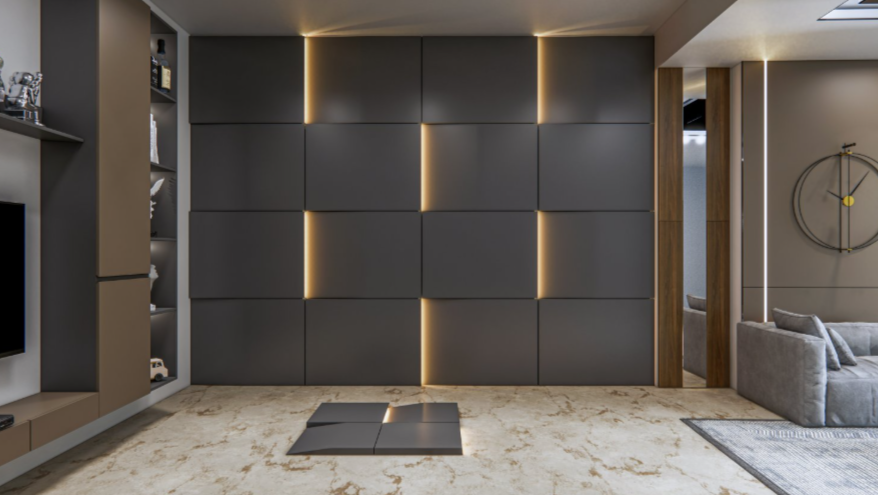
Skirting boards, also known as baseboards, are the finishing pieces installed at the junction between the floor and walls. They serve both aesthetic and practical purposes. From a design perspective, they provide a polished look, framing rooms and giving interiors a clean, cohesive feel. Practically, they protect walls from furniture bumps, vacuuming, spills, and everyday wear and tear. In modern homes, skirting board are not just functional; they are design elements that enhance the overall style of a room.
What materials are commonly used for skirting boards in modern interiors?
Several materials are used for skirting boards, each offering different benefits:
- MDF (Medium Density Fiberboard) – MDF is a popular choice due to its affordability and smooth finish. It can be easily painted to match any wall color or decor style. It is lightweight, resistant to warping, and ideal for modern minimalist designs.
- Solid Wood – Solid wood skirting boards exude natural elegance and durability. Options like oak, pine, and maple are favored for their strength and timeless appeal. Wooden skirting can be stained, varnished, or painted.
- PVC – PVC or vinyl skirting boards are highly durable, water-resistant, and easy to maintain. They are ideal for areas prone to moisture, such as kitchens and bathrooms. Modern designs often mimic wood textures, offering a stylish finish with practical benefits.
- Metal – Aluminium or stainless steel skirting boards are gaining popularity in contemporary and industrial interiors. They provide a sleek, minimalist aesthetic and are extremely durable.
- Composite Materials – These combine wood fibers with synthetic resins, offering both strength and flexibility. Composite skirting boards are resistant to moisture and insect damage and can be painted or laminated.
What height should skirting boards be in modern homes?
The height of skirting boards varies depending on room size, ceiling height, and design preferences. For modern homes:
- Standard height is around 70–100 mm, suitable for most rooms.
- Taller skirting boards of 120–200 mm create a grand, elegant look, especially in rooms with high ceilings.
- Low-profile skirting boards of 50–60 mm work well in minimalist interiors, giving a subtle finish.
Choosing the right height ensures visual balance and complements other architectural elements.
Which skirting board profiles are ideal for contemporary designs?
Skirting boards come in various profiles, ranging from simple to decorative:
- Straight Edge – Minimalist and clean, suitable for modern interiors with sleek lines.
- Chamfered Edge – Adds subtle elegance with a beveled edge, perfect for contemporary spaces.
- Ogee or Cove – Curved profiles bring sophistication and suit transitional styles.
- Step or Layered Designs – Provide texture and interest without overpowering the room.
For modern homes, straight or slightly chamfered profiles are popular due to their simplicity and adaptability.
How do I choose the right skirting board color?
Color selection depends on wall and flooring shades, interior style, and the visual effect you want to achieve:
- Matching the wall color – Creates a seamless, spacious look.
- Contrasting with the wall – Highlights architectural details and adds depth.
- Wood tones – Bring warmth and natural texture, ideal with wooden flooring.
- Neutral shades – White, cream, or gray provide a timeless, versatile finish.
Modern homes often favor white or light neutral tones for skirting boards, as they blend easily with a variety of wall colors and flooring options.
What are the advantages of high skirting boards?
High skirting boards, typically over 150 mm, offer several benefits:
- Enhance the sense of height and luxury in rooms with tall ceilings.
- Create a striking visual contrast, making walls appear more structured.
- Provide extra protection for walls against furniture and household traffic.
- Allow for hidden cable management behind the board, maintaining a clean aesthetic.
Are there skirting boards suitable for wet or humid areas?
Yes, moisture-resistant skirting boards are recommended for bathrooms, kitchens, and laundry rooms. Options include:
- PVC or Vinyl Skirting Boards – Fully waterproof and easy to clean.
- Composite Skirting – Resists warping and mold in humid conditions.
- Treated Wood – Wood treated with water-resistant coatings can be used in less wet areas.
These finishes ensure durability while maintaining a stylish appearance.
How do I install skirting boards in modern homes?
Installation involves several key steps:
- Measure the perimeter of the room accurately.
- Cut boards to size, using a miter saw for clean angles at corners.
- Fix boards to the wall using nails, screws, or adhesive, depending on the material.
- Fill gaps and joints with sealant or caulk for a smooth finish.
- Sand and paint or varnish, if needed.
Professional installation ensures precision, especially for complex layouts or high-end materials.
Can skirting boards help with hiding cables and wires?
Absolutely. Modern skirting boards can be designed with built-in cable channels to hide electrical wires, data cables, and TV connections. This feature maintains clean lines and prevents clutter, which is especially valuable in contemporary minimalist interiors.
How do I maintain and clean skirting boards?
Maintenance depends on the material:
- MDF – Wipe with a damp cloth and mild detergent. Avoid excessive moisture.
- Wood – Dust regularly; polish occasionally to maintain shine.
- PVC – Easy to clean with a damp cloth; resistant to stains.
- Metal – Wipe with a soft cloth; use non-abrasive cleaners to prevent scratches.
Regular care preserves the skirting board’s appearance and extends its lifespan.
Are skirting boards energy-efficient or functional in modern homes?
While primarily decorative and protective, skirting boards can also contribute to energy efficiency:
- They can help seal minor gaps between walls and floors, reducing drafts.
- Insulated skirting boards or those fitted with underfloor heating channels can improve thermal efficiency in modern homes.
What skirting boards work best with different flooring types?
- Wood Flooring – Wooden or MDF skirting in a complementary wood tone or painted finish works well.
- Tiles – PVC or metal skirting is ideal for water resistance.
- Carpets – Wooden or MDF skirting can be used; ensure proper fitting over carpet edges.
- Laminate or Vinyl – MDF, PVC, or composite boards provide a durable match.
Matching skirting boards with flooring ensures a cohesive, elegant look throughout the home.
Are there eco-friendly skirting board options?
Yes, environmentally conscious options are available:
- Bamboo – Sustainable, strong, and aesthetically appealing.
- Recycled Wood or MDF – Reduces environmental impact.
- Low-VOC Paints and Finishes – Safe for indoor air quality while maintaining style.
Choosing eco-friendly options aligns with sustainable living practices without compromising on design.
Can skirting boards enhance interior design themes?
Certainly. Skirting boards contribute subtly but significantly to interior design:
- Minimalist Interiors – Straight, low-profile boards in neutral shades enhance simplicity.
- Modern Luxury – High, layered boards add sophistication and elegance.
- Industrial Style – Metal or dark-toned boards complement exposed structures.
- Scandinavian Style – White or light wood skirting boards maintain a bright, airy feel.
Selecting the right style ensures skirting boards complement the home’s overall aesthetic.
Are there customizable skirting board options?
Yes, many modern skirting boards are customizable:
- Custom heights and thicknesses for unique room dimensions.
- Personalized profiles to match interior motifs.
- Specific finishes, including textured paints, laminates, or veneers.
- Integrated lighting or cable channels for multifunctional designs.
Customization allows homeowners to match skirting boards perfectly with their interiors.
Do skirting boards impact property value?
High-quality, well-installed skirting boards can enhance property value:
- They signal attention to detail and finish quality.
- Elegant, durable skirting boards appeal to potential buyers.
- Functional features, like cable management, add modern convenience.
Investing in premium skirting boards is both a design and practical advantage.
What trends are emerging in skirting boards for modern homes?
- Minimalist Designs – Slim, straight lines with subtle finishes dominate modern aesthetics.
- Contrasting Colors – Bold colors against neutral walls create a statement.
- Integrated LED Lighting – Hidden lights along skirting boards add ambiance and functionality.
- Textured or Patterned Finishes – Provide visual interest while maintaining elegance.
These trends reflect a blend of style, functionality, and technological integration in modern homes.
How can skirting boards be used creatively in interior design?
- Highlighting doorways and wall panels with taller or decorative boards.
- Creating visual boundaries between different flooring materials.
- Incorporating indirect lighting along the base of walls for a modern effect.
- Using contrasting colors to define spaces in open-plan interiors.
Creative use of skirting boards can transform a room, making them more than just functional elements.
Conclusion
Skirting boards in modern homes are far more than simple finishing touches. They combine style, protection, and functionality, offering opportunities to enhance interiors aesthetically and practically. Choosing the right material, profile, height, and finish ensures that skirting boards complement modern design trends while providing durability and easy maintenance. With options ranging from classic wood to sleek metal or moisture-resistant PVC, modern homeowners can find skirting boards that perfectly suit their taste, protect walls, manage cables, and even integrate innovative features like lighting. Paying attention to detail in selecting and installing skirting boards ensures that every room has a polished, elegant, and lasting finish, making these often-overlooked elements key contributors to a home’s beauty and functionality.