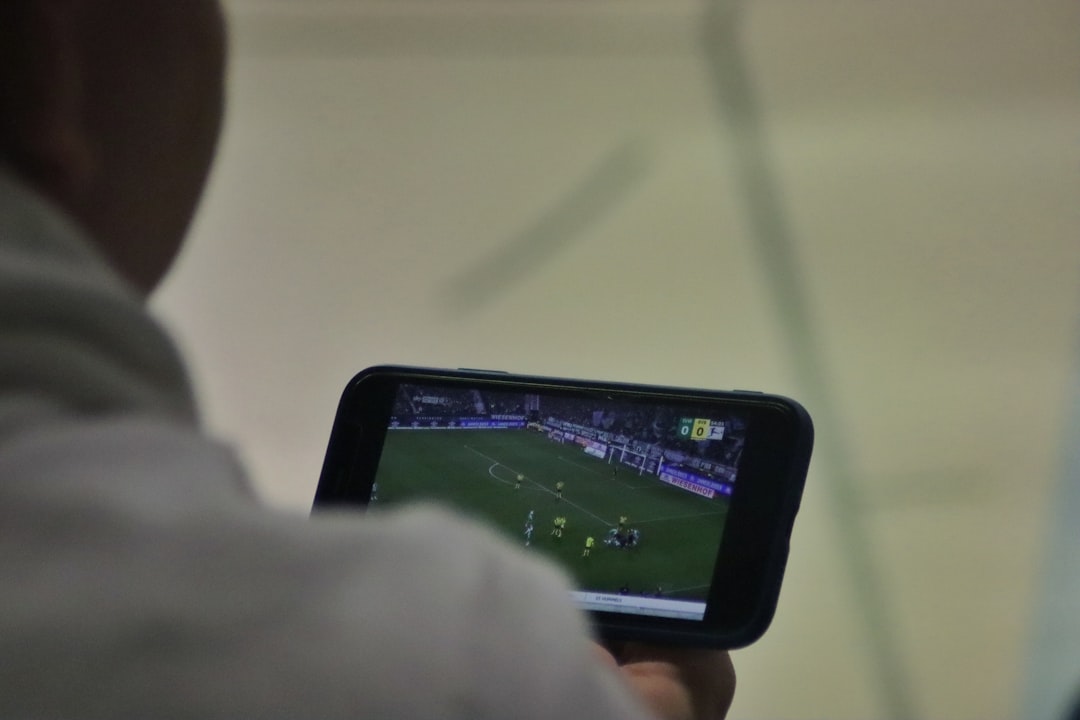
Sports have always brought people together — but how fans watch the game has changed dramatically over the past decade. Gone are the days when catching a live match meant sitting in front of a cable TV set at a specific time, hoping the broadcast rights fell in your favor. The rise of digital platforms has fundamentally reshaped sports consumption, and Sportsurge has become one of the most talked-about names in that conversation. From humble streaming beginnings to a global audience of millions, this shift raises important questions: What does the evolution of sports streaming really look like, and where does it go from here?
How Sports Broadcasting Changed Over Time
For most of the 20th century, major television networks held an iron grip on sports broadcasting. Broadcast deals ran into the billions, and fans had little choice but to pay for cable packages that bundled dozens of unwanted channels just to access the one game they wanted to watch.
The internet changed everything. Broadband speeds improved. Smartphones became ubiquitous. And with those developments came a new generation of sports fans who expected on-demand access to live events — without the friction of traditional pay-TV models.
Streaming services began filling that gap. Platforms started acquiring rights to major sporting events, and fans began migrating away from cable at a pace that alarmed traditional broadcasters. By the early 2020s, cord-cutting had become a mainstream phenomenon rather than a fringe behavior.
What Is Sportsurge and Why Did It Gain Popularity?
Sportsurge emerged as a free, web-based platform offering links to live sports streams across a wide range of sports — from NFL and NBA games to soccer, MMA, and hockey. Its appeal was straightforward: no subscriptions, no paywalls, and a clean, organized interface that made finding live streams relatively easy.
The platform gained traction largely because it addressed a genuine frustration among sports fans. Legitimate streaming services, while improving in quality, remained fragmented. A fan wanting to follow multiple sports leagues might need three or four separate subscriptions, costing upwards of $50 to $100 per month. Sportsurge offered an alternative, even if that alternative came with significant legal and ethical caveats.
It is important to note that platforms like Sportsurge typically host or aggregate links to streams that may infringe on broadcasting rights. Rights holders — including sports leagues and licensed broadcasters — have consistently pursued legal action against similar platforms, and many have been shut down over the years. Users should be aware of the legal risks and implications of accessing unlicensed content in their jurisdiction.
The Legal Landscape of Sports Streaming
Broadcasting rights are enormously valuable assets. The NFL’s media deals, for instance, are worth billions annually. The English Premier League sells its global rights packages in chunks across multiple countries, each deal carefully negotiated to maximize revenue. When unlicensed platforms distribute that content freely, rights holders argue they suffer direct financial harm.
Regulators and courts have generally agreed. Across the United States, United Kingdom, and European Union, legal frameworks around copyright and digital piracy have been used to shut down dozens of free streaming services. Despite this, demand keeps regenerating new platforms, often faster than enforcement actions can keep up.
This cat-and-mouse dynamic reflects a deeper structural problem: the legitimate market has not yet fully served the consumer. When fans feel priced out or geographically restricted from watching their favorite teams, they look for alternatives.
The Rise of Geo-Restrictions and Why Fans Feel Frustrated
One of the most persistent grievances among modern sports fans is the concept of blackout restrictions and geo-blocking. A fan living outside a broadcaster’s licensed territory may find themselves completely unable to watch a game through official channels — even if they are willing to pay.
This issue has fueled the demand for workarounds. Virtual private networks (VPNs) have surged in popularity partly for this reason. Sports fans use them to mask their location and access streams available in other regions. The irony is that many of these fans would happily pay for legal access if a straightforward, affordable option existed.
The geographic fragmentation of sports rights is a legacy of how deals were historically structured — territory by territory, market by market. Reforming that structure is a slow process, but it is happening. Several leagues have begun experimenting with global streaming packages that allow out-of-market viewers to subscribe directly.
How Major Sports Leagues Are Adapting to Streaming Demand
The sports industry is not standing still. Over the past several years, leagues and federations have accelerated their shift toward direct-to-consumer streaming models.
The NFL launched its own streaming service for out-of-market games. The NBA has invested in digital distribution partnerships. Soccer’s governing bodies have explored league-owned streaming platforms in various markets. The trend is clear: rights holders want to control their digital distribution, capture subscriber data, and reduce dependence on traditional broadcast intermediaries.
Technology giants have also entered the arena. Major tech companies have acquired streaming rights to premium sporting events, signaling that sports content is now central to the streaming wars. This competition benefits consumers in some ways — it drives investment in production quality and platform technology — but it also adds to the subscription complexity that pushes some fans toward free alternatives.
What the Data Tells Us About Sports Streaming Behavior
Research consistently shows that sports content drives some of the highest engagement numbers in all of streaming. Live sports, in particular, resist the time-shifted viewing behavior that has eroded traditional TV ratings for scripted programming. Fans watch live or not at all — which makes sports rights uniquely valuable.
Piracy research firms have estimated that billions of illegal streams are consumed globally each year, with major sporting events generating the highest spikes. These numbers are not just a piracy problem — they are a demand signal. They indicate an audience that wants access and has not found a satisfactory legal option at an acceptable price point.
Platforms like Sportsurge have thrived precisely because they read that demand signal and filled the gap. Understanding this dynamic is essential for rights holders and policymakers who want to reduce piracy through market-based solutions rather than enforcement alone.
The Future of Sports Streaming: What Comes Next?
Several trends are converging to reshape sports streaming over the next five to ten years.
First, consolidation. The fragmented streaming market is likely to consolidate as platforms merge or partner to offer broader content bundles. This may reduce the subscription burden on consumers and make legal options more attractive.
Second, interactivity. Next-generation sports streaming is moving beyond passive viewing. Fans expect real-time statistics, multiple camera angles, interactive polls, and social viewing features. These enhancements are difficult to replicate on unlicensed platforms, giving official services a meaningful differentiator.
Third, affordability. As competition intensifies, pricing pressure will mount. Sports rights deals are extraordinarily expensive, but the market may eventually force a recalibration — particularly as younger audiences demonstrate less willingness to pay traditional broadcast rates.
Fourth, enforcement. Legal and technical enforcement against unlicensed streaming is becoming more sophisticated. Rights holders are using automated takedown systems, DNS blocking, and court orders against hosting providers with increasing effectiveness.
Finding the Right Balance Between Access and Rights Protection
The story of Sportsurge and platforms like it is ultimately a story about market failure and consumer behavior. When legitimate options are too expensive, too fragmented, or unavailable due to geographic restrictions, fans seek alternatives. That behavior is predictable and, to a degree, understandable — even when the alternatives operate outside the law.
The solution lies not just in enforcement but in building a streaming ecosystem that genuinely serves the global sports fan. Flexible pricing, fewer geo-restrictions, and user-friendly interfaces can go a long way toward pulling audiences back into legitimate channels. The sports industry has the content that fans desperately want. The challenge — and the opportunity — is delivering it in a way that works for everyone.
Frequently Asked Questions
What is Sportsurge used for?
Sportsurge is a web-based platform that aggregates links to live sports streams. It became popular among fans seeking free access to live sports events across multiple sports including football, basketball, and soccer.
Is it legal to use free sports streaming platforms?
Accessing streams on unlicensed platforms may violate copyright laws depending on your country. Users should consult local regulations and consider using officially licensed streaming services to avoid legal risk.
Why do sports fans use unlicensed streaming platforms?
The primary reasons include high subscription costs, geo-restrictions that block access to games in certain regions, and the fragmentation of sports rights across multiple platforms.
What are the legal alternatives to free sports streaming?
Licensed alternatives vary by region and sport but include league-operated streaming services, sports-focused streaming packages offered by major platforms, and cable or satellite providers with digital add-ons.
How are sports leagues responding to streaming piracy?
Sports leagues are investing in direct-to-consumer platforms, pursuing legal action against piracy services, and working with internet service providers to block unauthorized streams at the network level.