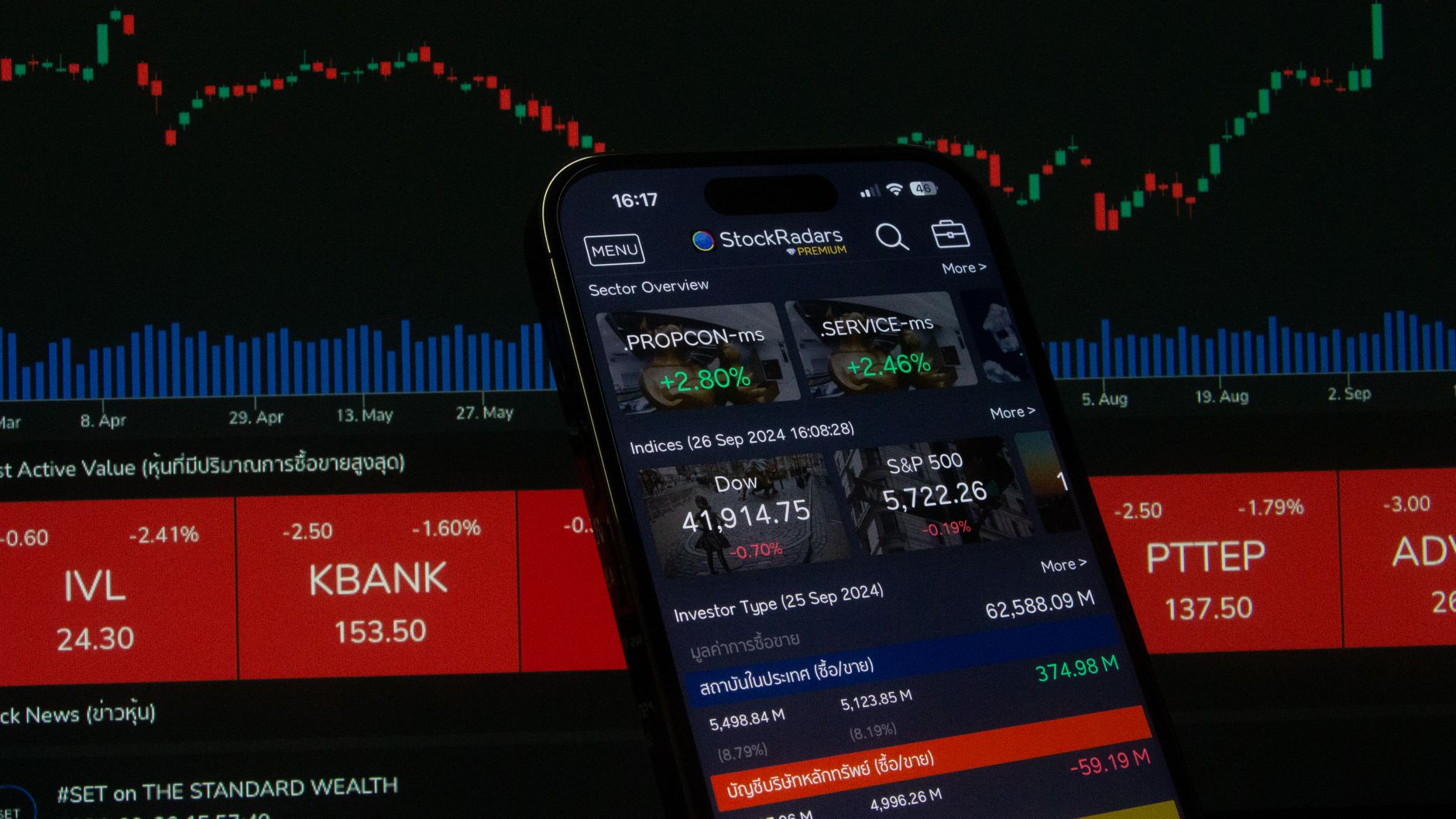
stock market today reflects a downward trend as Sensex opens 212 points lower. The ongoing selling pressure has pushed Nifty below the crucial 22,750 mark.
Current Market Overview
The stock market today experienced significant volatility as the Sensex opened with a decline of 212 points, reflecting ongoing selling pressure in the market. Investors have been reacting to various factors that have contributed to the downturn, including global economic uncertainties and domestic challenges.
As the trading session progressed, the Nifty index also fell below the crucial level of 22,750, raising concerns among market participants. Analysts suggest that the current market dynamics could be indicative of a broader trend, as uncertainties linger in the economic landscape.
Key factors influencing the market include:
- Global Economic Concerns: Investors are wary of potential slowdowns in major economies, which could impact market sentiment.
- Domestic Challenges: Political and economic developments within the country are contributing to volatility.
- Investor Sentiment: A cautious approach among investors is evident, leading to increased selling activity.
Market experts advise investors to remain vigilant and consider long-term strategies amidst the fluctuations observed in the stock market today.
Factors Influencing Market Decline
Several factors contributed to the decline observed in the stock market today, particularly the 212-point drop in the Sensex. Analysts attribute this downturn to a combination of global economic concerns and local market sentiments.
- Global Economic Concerns: Investors are wary of potential interest rate hikes by central banks worldwide, which could impact liquidity and investment flows. Concerns surrounding inflation and its effects on economic growth have also led to increased market volatility.
- Domestic Selling Pressure: Domestic investors have been actively reallocating their portfolios, leading to significant selling pressure in major sectors, particularly technology and financials. This trend has heightened the overall bearish sentiment in the market.
- Geopolitical Tensions: Ongoing geopolitical issues have further shaken investor confidence, prompting many to take a cautious approach and reduce exposure to equities.
- Profit Booking: Following a period of strong gains, many traders are engaging in profit booking, contributing to the downward trend. This has resulted in a ripple effect across various indices.
As a result, the stock market today reflects a cautious atmosphere, with investors closely monitoring both domestic and international developments.
Expert Opinions on Market Trends
Experts have weighed in on the recent fluctuations in the stock market today, particularly the decline of the Sensex by 212 points. Analysts attribute this downturn to a combination of factors impacting investor sentiment.
- Profit Booking: Many investors are engaging in profit booking after a prolonged rally, leading to increased selling pressure.
- Global Cues: International markets have shown volatility due to geopolitical tensions, which has caused local investors to adopt a cautious approach.
- Sector Performance: Key sectors such as technology and finance have seen significant sell-offs, further contributing to the overall market decline.
- Economic Indicators: Recent economic data has raised concerns about inflation and interest rates, prompting investors to reassess their positions.
Market analysts suggest that while the current trend may appear concerning, it is essential to remain focused on long-term investment strategies. They emphasize that opportunities may arise in this market correction, urging investors to conduct thorough research before making decisions.
Historical Context of Current Levels
The stock market today reflects a significant downturn, with the Sensex dropping by 212 points. This decline is not an isolated event; rather, it resonates with historical trends observed during periods of economic uncertainty. Over the past decade, the stock market has experienced several fluctuations driven by both domestic and global factors.
For instance, during the financial crisis of 2008, markets witnessed steep declines due to liquidity concerns and collapsing investor confidence. Similarly, the impact of the COVID-19 pandemic in 2020 saw the Sensex plunge dramatically, illustrating how external shocks can lead to rapid sell-offs.
Currently, as investors react to rising inflation and geopolitical tensions, these historical patterns are resurfacing. The Nifty index falling below 22,750 further exemplifies the prevailing market sentiment. Such movements remind market participants of the cyclical nature of stock performance, where periods of growth are often followed by corrections. Understanding these historical contexts is crucial for investors navigating the current landscape and attempting to gauge future market directions.
- 2008 Financial Crisis: Major market decline.
- COVID-19 Pandemic: Rapid sell-offs observed.
- Current Trends: Influenced by inflation and geopolitics.
Future Predictions for Investors
As investors navigate the turbulent waters of the stock market today, many are looking towards future predictions to make informed decisions. Analysts suggest that the current decline could present both challenges and opportunities for those willing to adapt their strategies.
Several key factors may influence market trends in the coming weeks:
- Economic Indicators: Upcoming reports on inflation and employment rates could sway investor confidence and shape market sentiment.
- Global Events: Geopolitical tensions and economic policies from major economies will likely impact market performance.
- Corporate Earnings: As companies begin to report their quarterly earnings, positive surprises could lead to a rebound in stock prices.
Moreover, experts recommend that investors focus on long-term strategies rather than panic selling. Diversification and a keen eye on fundamental analysis could help mitigate risks during this volatile period. While the stock market today may reflect uncertainty, those who remain patient and well-informed could find advantageous entry points as the market stabilizes.
How to Navigate Volatile Markets
Navigating volatile markets can be challenging, especially in light of the recent declines observed in the stock market today. Investors should consider several strategies to manage their portfolios effectively during such turbulent times.
- Diversification: Spreading investments across various asset classes can help mitigate risk. By diversifying, investors can protect themselves from significant losses in any single sector.
- Stay Informed: Keeping abreast of market news and economic indicators is crucial. Understanding the factors driving volatility can help investors make informed decisions.
- Long-Term Perspective: A long-term investment strategy can often weather short-term fluctuations. Patience and discipline are key to achieving financial goals.
- Consultation with Experts: Seeking advice from financial advisors can provide personalized strategies tailored to individual risk tolerance and investment goals.
- Emotional Discipline: Maintaining composure during market downturns is essential. Avoid making impulsive decisions based on fear or market hype.
By employing these strategies, investors can better navigate the uncertainties of the stock market today and position themselves for future growth.
By scriptingnews via Openverse