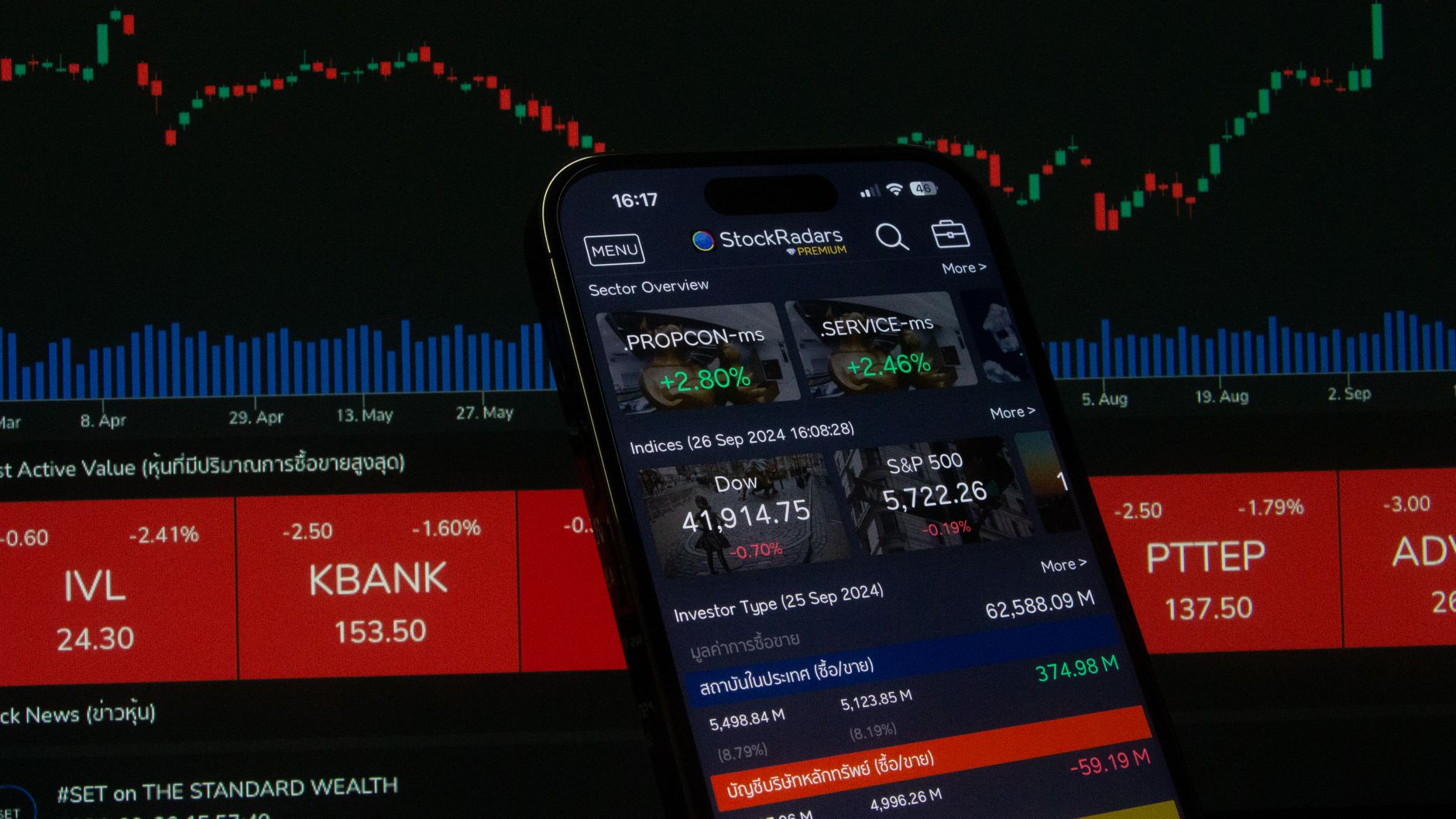
US midterm results impact has dramatically influenced market trends, leading to a surge in the Sensex and Nifty. Investors are keen to understand the strategies and stocks to buy in this favorable climate.
Understanding the US Midterm Results Impact
The recent US midterm results have prompted significant movements in the stock market, showcasing the potential for smart investing strategies in response to political outcomes. Historically, midterm elections have been known to create volatility, but they also present opportunities for savvy investors.
Following the recent results, the Sensex surged by 2700 points, reflecting a gain of ₹4 lakh crore in market capitalization. This surge has raised questions about the US midterm results impact on investor sentiment and market trends.
Experts suggest focusing on sectors that typically benefit from political stability and economic policies favored by the newly elected officials. Key areas to consider include:
- Infrastructure – likely to receive increased funding and support.
- Healthcare – policies may shift, impacting stocks positively.
- Technology – continues to thrive irrespective of political parties.
Investors are advised to stay informed and adapt their strategies accordingly.
Market Reactions to US Elections
In the wake of the recent US midterm results, market reactions have been swift and significant. Investors are closely monitoring the implications of the election outcomes on economic policies and market stability.
The response from major indices has been overwhelmingly positive, with the Sensex soaring by 2700 points and Nifty rising by 3% within just two days. Such fluctuations highlight the immediate impact of the US midterm results on global markets.
Several factors are driving this optimism:
- Policy Clarity: With midterm elections often reshaping legislative priorities, clarity on future policies can encourage investor confidence.
- Economic Stability: A favorable election outcome may lead to perceived economic stability, fostering a bullish market environment.
- Sector Performance: Certain sectors may benefit more than others, offering strategic investment opportunities for those looking to capitalize on the US midterm results impact.
Top Stocks to Buy Now
The recent US midterm results impact has led to significant market movements, creating opportunities for savvy investors. As the political landscape stabilizes, certain stocks are emerging as top picks for those looking to capitalize on this momentum.
- Technology Sector: Companies like Apple and Microsoft are poised for growth, driven by ongoing digital transformation trends.
- Healthcare Stocks: With healthcare reforms on the horizon, firms such as Johnson & Johnson and Pfizer may see increased demand.
- Renewable Energy: The push for sustainable energy solutions positions companies like NextEra Energy and First Solar for long-term success.
- Financial Sector: Banks like JPMorgan Chase and Bank of America are likely to benefit from a more favorable regulatory environment.
Investors should consider these sectors carefully as the US midterm results impact continues to shape the market landscape.
Investment Strategies for Rising Markets
As the dust settles on the recent US midterm results impact, investors are keen to strategize for the opportunities that often arise in rising markets. Here are some proven strategies to consider:
- Diversification: Spread investments across various sectors to mitigate risks. This approach can help capture gains from different market segments that may benefit from political shifts.
- Sector Focus: Identify sectors likely to thrive post-election, such as infrastructure or technology, which often see increased funding and favorable policies.
- Long-term Perspective: While market volatility may spike, maintaining a long-term investment horizon can reduce the impact of short-term fluctuations influenced by election outcomes.
- Research and Analysis: Stay informed about legislative changes and how they might affect specific stocks or sectors. Understanding the implications of the midterm results can guide smarter investment decisions.
Implementing these strategies can position investors to capitalize on the positive momentum following the elections.
Analyzing Sensex and Nifty Growth
The recent US midterm results impact has reverberated through global markets, including India’s Sensex and Nifty. Investors have been keenly observing how these outcomes influence local stock performance.
In the wake of the elections, both indices have shown remarkable growth. The Sensex surged by over 2,700 points, reflecting a bullish sentiment among traders. Meanwhile, the Nifty also enjoyed a robust uptick of 3%, indicating a strong market response to the political landscape.
Several factors contributed to this growth:
- Positive investor sentiment: The clarity provided by the election results has encouraged investment.
- Global market trends: A favorable international economic outlook has bolstered confidence.
- Sector-specific rallies: Key sectors such as technology and pharmaceuticals have seen significant gains.
Overall, the US midterm results impact has created a fertile ground for investors looking to capitalize on this momentum.
Economic Indicators Post-Elections
The recent US midterm results impact has sparked significant movements in economic indicators, reflecting investor sentiment and market expectations. Analysts observed a notable surge in stock indices immediately after the elections, with the Sensex soaring by 2,700 points and the Nifty rising by 3% in just two days. These fluctuations highlight the correlation between political outcomes and market performance.
Key economic indicators to watch in the wake of the midterm elections include:
- Consumer Confidence Index: A potential rise as stability is restored in governance.
- Employment Rates: Trends may shift based on new fiscal policies introduced.
- Inflation Metrics: Investors will be keenly observing how election outcomes influence inflationary pressures.
Investors are advised to adjust their portfolios in light of these economic indicators, as the US midterm results impact can lead to both opportunities and risks in the market.
Expert Opinions on Market Trends
Experts are closely monitoring the US midterm results impact on global markets, emphasizing the importance of adapting investment strategies in response to political changes. According to financial analysts, the outcomes of midterm elections often serve as indicators of future economic policies, which can significantly influence market trends.
Many believe that sectors such as infrastructure and renewable energy may see increased investments, given the current political climate. Investment strategies focusing on these areas could provide substantial returns in the coming months. Additionally, analysts suggest diversifying portfolios to mitigate risks associated with market volatility.
In their assessments, experts highlight the following key trends:
- Increased government spending in critical sectors will likely boost economic growth.
- Market sentiment remains positive, driven by investor confidence following election outcomes.
- Emerging technologies may offer lucrative opportunities as political agendas shift.
Future Predictions for Investors
As investors look ahead following the recent US midterm results impact, several key predictions are emerging that could shape market behavior in the coming months. Experts suggest that the political landscape will influence fiscal policies, which may lead to a shift in investor sentiment.
In the wake of the elections, analysts anticipate:
- Increased Volatility: Markets may experience heightened fluctuations as new policies are introduced.
- Sector Rotation: Investors could favor sectors that typically benefit from the outcomes of midterm elections, such as healthcare and infrastructure.
- Focus on Sustainable Investments: With a growing emphasis on environmental, social, and governance (ESG) factors, sustainable investing strategies may gain traction.
Overall, the US midterm results impact suggests a cautious but optimistic outlook for investors willing to adapt and diversify their portfolios in response to evolving market dynamics.