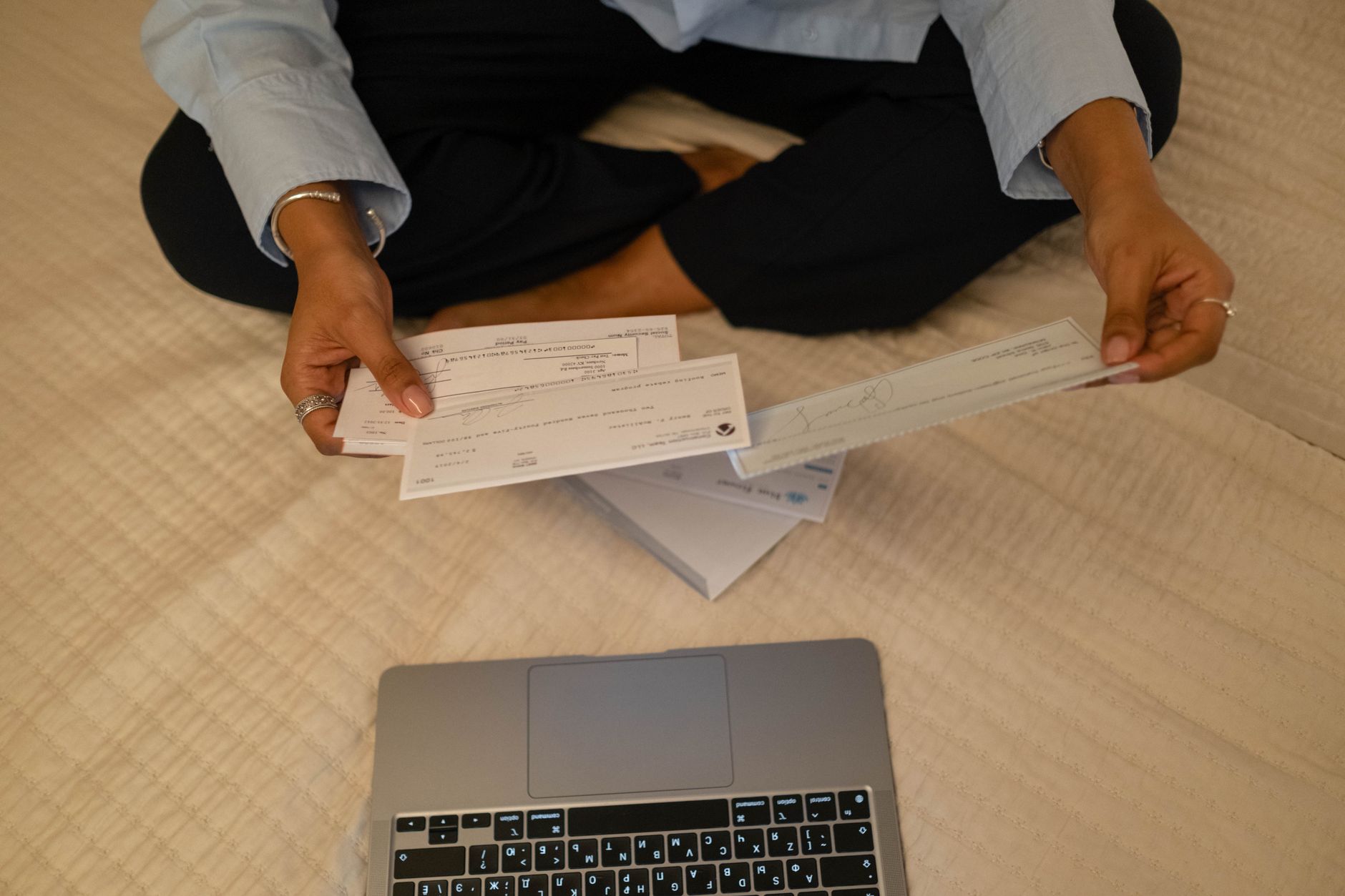
Cheque Book Rules are set to change in January 2027, sparking widespread discussion and confusion. The RBI has revealed important truths behind viral claims that have circulated recently.
Understanding the New Cheque Book Rules
The recent discussions surrounding the Cheque Book Rules have sparked concern and confusion among bank customers. Many have come across viral claims suggesting significant changes to cheque book policies set to take effect in January 2027. However, the Reserve Bank of India (RBI) has clarified these misunderstandings.
According to the RBI, the new rules will not drastically alter the way cheque books function but will introduce measures aimed at enhancing security and efficiency. Here are the key points to understand:
- Electronic Verification: Banks will implement stronger electronic verification methods for cheque transactions.
- Limited Cheque Leaves: Customers may receive a reduced number of cheque leaves per book, promoting digital transactions.
- Enhanced Security Features: New security features will be integrated into cheque designs to prevent fraud.
- Awareness Campaigns: Banks will conduct awareness campaigns to educate customers about these changes.
In conclusion, while the Cheque Book Rules may evolve, the core functionality remains intact. Customers are advised to stay informed and consult their banks for accurate information regarding these updates.
Impact of the Changes on Consumers
The recent changes to the cheque book rules have generated significant discussion among consumers and banking professionals alike. As these new regulations come into effect, it is crucial for individuals to understand how they will impact their daily banking activities.
One of the primary changes involves the increased emphasis on digital transactions. With the RBI encouraging the use of electronic payment methods, consumers may find themselves relying less on physical cheques. This shift could lead to a decline in cheque usage, prompting banks to reevaluate their services.
Additionally, consumers must be aware of the updated verification processes associated with cheque transactions. The new rules require banks to implement stricter measures to prevent fraud, which may involve additional steps during the cheque clearing process. This could lead to longer wait times for cheque clearance, creating potential inconveniences for those who still prefer traditional payment methods.
In summary, the revised cheque book rules aim to enhance security and streamline banking operations. As consumers navigate these changes, it is essential to stay informed about their implications on personal finance management.
What the RBI Says About Viral Claims
The Reserve Bank of India (RBI) has addressed the recent viral claims regarding the Cheque Book Rules set to take effect in January 2027. In a statement released by the central bank, it has clarified the misconceptions surrounding the new regulations that have circulated on social media platforms.
According to the RBI, the changes do not imply a complete overhaul of existing cheque book practices, but rather aim to enhance security and streamline processes for consumers. The central bank emphasized that:
- No existing cheque books will become invalid immediately.
- Customers must continue using their current cheque books until they receive new ones from their respective banks.
- Banking institutions are required to notify customers about any changes in their cheque book policies well in advance.
The RBI urged the public to verify information with official sources before sharing. They reiterated their commitment to ensuring that consumers are kept informed about any updates related to the Cheque Book Rules. Misinformation can create unnecessary panic and confusion among account holders.
Timeline for Implementation of New Rules
The timeline for the implementation of the new cheque book rules has generated considerable interest and some confusion among consumers. According to recent statements from the Reserve Bank of India (RBI), the changes will officially take effect starting in January 2027. This timeline aims to provide banks and consumers ample opportunity to adapt to the new regulations.
The RBI has emphasized that the transition period is crucial for ensuring a smooth implementation. During this time, financial institutions will be expected to educate their customers about the new processes and requirements related to cheque book usage.
Furthermore, banks will be responsible for updating their systems to accommodate these changes, which includes revising cheque templates and ensuring compliance with the new rules. Customers are encouraged to stay informed through their banks and official RBI communications to understand how these changes might affect their cheque transactions.
As the January 2027 deadline approaches, it is essential for consumers to be proactive in learning about the cheque book rules and to be aware of any updates from their respective banks to avoid any disruptions in their banking experience.
Common Misconceptions About Cheque Books
In recent discussions surrounding the cheque book rules, several misconceptions have emerged, leading to confusion among consumers. Below are some common myths that have circulated widely:
- All cheques will become invalid after January 2027: Many believe that all existing cheques will no longer be accepted post-2027. In reality, only cheques issued under outdated guidelines may face issues.
- Bank charges will increase dramatically: Another claim suggests that banks will impose hefty fees for cheque usage following the rule changes. However, the RBI has indicated that any fee adjustments will be reasonable and transparent.
- Electronic payments will fully replace cheques: While digital transactions are on the rise, cheques will still remain a viable option for many consumers. The RBI promotes a balanced approach to banking, allowing individuals to choose their preferred payment methods.
- All banks will implement changes at the same time: The timeline for implementing new cheque book rules may differ across banks, so consumers should stay informed about their specific bank’s policies.
Understanding the facts behind these misconceptions is crucial for consumers to navigate the evolving landscape of cheque book rules effectively.
Expert Opinions on the New Regulations
Experts in the banking and finance sector have weighed in on the recent Cheque Book Rules that are set to take effect in January 2027. Many have emphasized the need for clarity as misinformation continues to circulate widely. According to Dr. Anjali Sharma, a financial analyst, “Understanding the new regulations is crucial for consumers to avoid being misled by viral claims that are often sensationalized.”
Additionally, Rajiv Mehta, a banking consultant, highlighted the importance of educating the public about these changes. “The updated cheque book rules are designed to enhance security and streamline transactions, but they require consumers to adapt. Financial literacy will play a key role in this transition,” he noted.
Furthermore, several experts agree that while the RBI has provided clear guidelines, the confusion stems from outdated information being shared on social media platforms. “It’s imperative for consumers to verify details with credible sources,” said Mehta.
As the implementation date approaches, industry specialists encourage consumers to stay informed and seek guidance from their respective banks to fully understand how these Cheque Book Rules will affect their banking practices.
How to Prepare for the Changes
As the new Cheque Book Rules come into effect in January 2027, it is essential for consumers to prepare adequately for these changes. Being well-informed will help mitigate any potential disruptions to your banking activities.
Here are some practical steps to take:
- Review your current cheque usage: Assess how frequently you use cheques and determine if you need to adjust your banking habits.
- Stay informed: Keep up with updates from your bank regarding the new regulations and any specific actions they recommend.
- Update your contact information: Ensure that your bank has your current address, phone number, and email to receive important notifications about the changes.
- Explore digital alternatives: Consider transitioning to digital payment methods, as these may offer greater convenience and security compared to traditional cheques.
- Ask questions: If you have concerns or need clarification about the Cheque Book Rules, don’t hesitate to contact your bank for assistance.
By taking these proactive measures, you can navigate the upcoming changes smoothly and continue to manage your finances effectively.
Photo by cottonbro studio on Pexels
References
Related reading
Capital India Finance Results: Clear Insights into Performance · RICO cash drop: Worst investment outflows reported · Atlas Metals UPSA acquisition: A Wrong Move for Growth