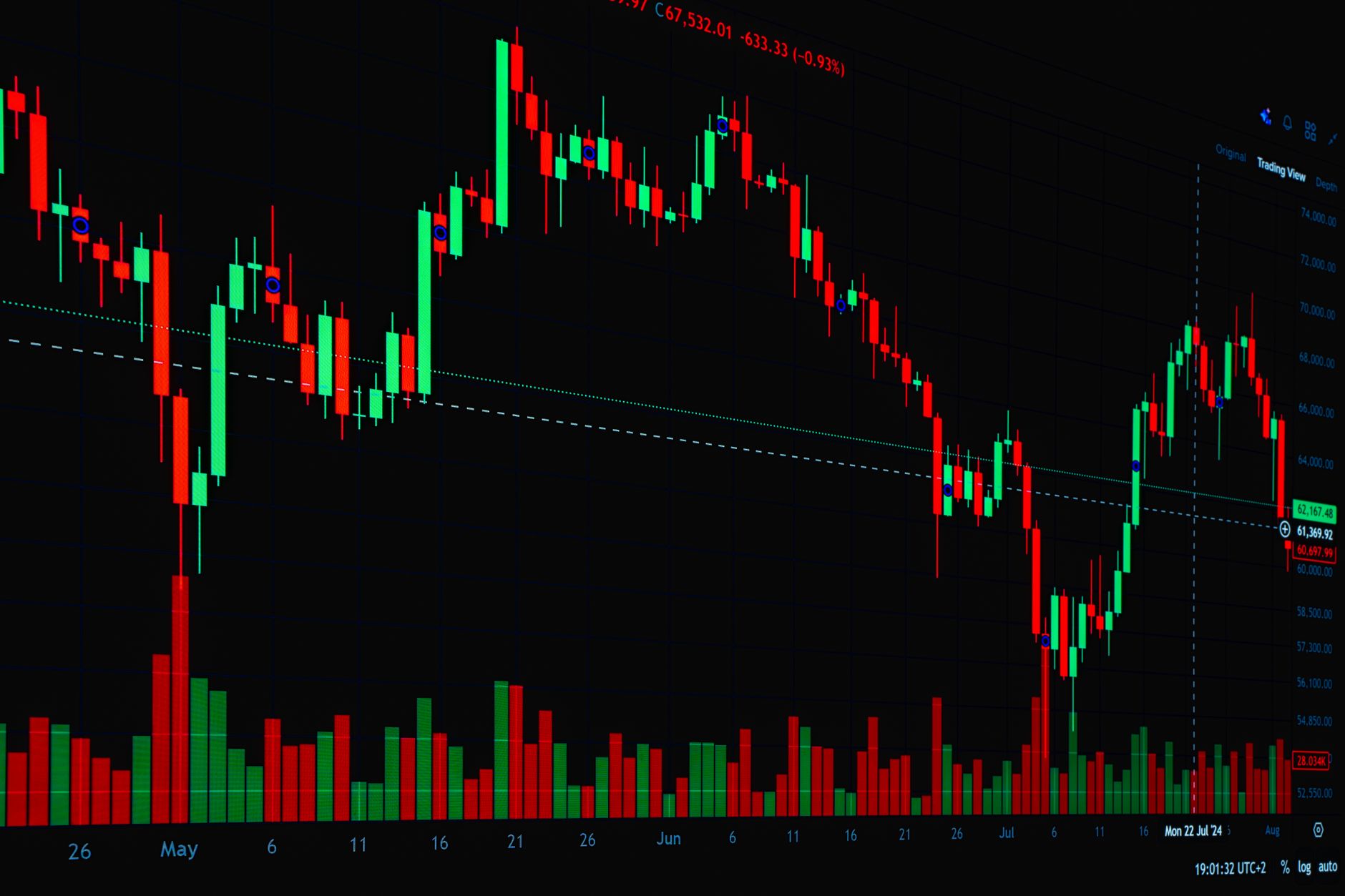
Sensex Nifty performance has been tepid as Samvat 2083 begins, with both indices slipping while smaller companies show signs of growth.
Market Overview for Samvat 2083
The market overview for Samvat 2083 indicates a challenging start for investors, as the Sensex and Nifty performance has raised concerns among market watchers. The indices began the trading season on a subdued note, reflecting a cautious sentiment among traders.
Key factors contributing to this lackluster performance include:
- Global Economic Uncertainty: Ongoing geopolitical tensions and fluctuating commodity prices have created a ripple effect on market sentiment.
- Inflationary Pressures: Rising inflation rates continue to affect consumer spending and investment decisions.
- Interest Rate Hikes: Anticipation of further rate increases by central banks has added to market volatility.
- Small-Cap Resilience: Despite the overall downturn, smaller companies have shown some strength, indicating a divergence in market trends.
As investors navigate this uncertain landscape, the Sensex Nifty performance will be closely monitored in the coming weeks to determine if this start marks the worst of Samvat 2083 or if a turnaround is on the horizon.
Impact of Global Trends on Indian Markets
The performance of the Sensex and Nifty in the early days of Samvat 2083 has been notably affected by global trends. Investors are closely monitoring international markets, as fluctuations in major economies can have a direct impact on Indian indices.
Several factors from abroad have contributed to the tepid start of the markets:
- Interest Rate Hikes: As central banks in developed nations continue to raise interest rates, investor sentiment has been cautious, leading to a sell-off in equities.
- Geopolitical Tensions: Ongoing geopolitical uncertainties have made investors wary, prompting a shift towards safer assets.
- Inflation Concerns: Persistently high inflation rates globally have added to the apprehension, influencing market stability.
- Sector Performance: While larger companies have seen declines, smaller companies have shown resilience, indicating a mixed performance within the market.
Overall, the impact of global trends on the Sensex and Nifty performance highlights the interconnectedness of markets and underscores the need for investors to stay informed about international developments.
Smaller Companies Show Resilience
Despite the overall sluggish performance of the Sensex and Nifty at the start of Samvat 2083, smaller companies have exhibited remarkable resilience. This divergence in performance highlights a growing trend where mid-cap and small-cap stocks are becoming increasingly attractive to investors seeking opportunities beyond the larger indices.
Analysts note that smaller companies have benefited from several factors:
- Innovative Business Models: Many small-cap firms are adopting agile strategies that allow them to adapt quickly to changing market conditions.
- Strong Earnings Growth: Several of these companies have reported robust earnings, which has positively influenced investor sentiment.
- Sectoral Shifts: As major sectors face headwinds, smaller companies in emerging industries are gaining traction.
The resilience of these smaller companies serves as a counterbalance to the broader sentiment reflected in the Sensex and Nifty performance. Investors are increasingly recognizing that opportunities exist outside of the traditional blue-chip stocks, signaling a potential shift in market dynamics as Samvat 2083 unfolds.
Investor Sentiment Analysis
Investor sentiment has taken a hit as the Sensex Nifty performance continues to reflect the challenges facing the market at the onset of Samvat 2083. The initial trading days have been marked by cautious behavior among investors, leading to a decline in major indices.
Several factors contribute to this subdued sentiment:
- Inflation Concerns: High inflation rates remain a significant worry, causing investors to reassess their risk appetite.
- Interest Rate Hikes: Anticipation of further interest rate hikes has led to increased volatility, impacting investor confidence.
- Geopolitical Tensions: Ongoing international tensions have added an element of uncertainty, prompting investors to adopt a wait-and-see approach.
- Market Volatility: The fluctuations in major indices have resulted in a general reluctance to invest heavily in the current climate.
Despite the overall decline, smaller companies have shown resilience, attracting interest from investors seeking opportunities outside of the mainstream indices. As the market continues to evolve, understanding these dynamics will be crucial for navigating the challenges ahead.
Predictions for Upcoming Weeks
As analysts assess the current state of the markets, predictions for the upcoming weeks suggest that the Sensex Nifty performance may continue to be influenced by various factors. Many experts believe that investor sentiment will play a crucial role in determining market direction.
Key predictions include:
- Global Economic Indicators: Upcoming global economic reports, including U.S. inflation data, are expected to impact the Indian markets significantly.
- Monetary Policy Changes: The Reserve Bank of India’s stance on interest rates will likely influence investor decisions, particularly in sectors sensitive to borrowing costs.
- Corporate Earnings: As companies begin to report their quarterly earnings, expectations and surprises could sway the Sensex Nifty performance either way.
- Geopolitical Developments: Events on the international stage, including trade negotiations and conflicts, may also affect investor confidence.
Overall, market participants are advised to stay alert to these developments as they could shape the course of the markets in the weeks ahead.
Key Factors Influencing Market Performance
The performance of the Sensex and Nifty has been influenced by a variety of factors as Samvat 2083 begins. Investors are closely monitoring the following elements that are impacting market trends:
- Interest Rate Decisions: The Reserve Bank of India’s stance on interest rates plays a crucial role in market dynamics, affecting borrowing costs and investment decisions.
- Inflation Rates: Persistent inflation continues to pressure consumer spending and corporate margins, leading to cautious investor behavior.
- Global Economic Indicators: Fluctuations in global markets, particularly in major economies, can have cascading effects on the Indian stock market, influencing the performance of the Sensex and Nifty.
- Sectoral Performance: Certain sectors, such as technology and pharmaceuticals, have shown resilience, which can bolster overall market sentiment even when broader indices struggle.
- Political Stability: The upcoming elections and governmental policies may create uncertainty, impacting investor confidence and leading to volatility in the markets.
Given these factors, market watchers are keenly assessing whether the current performance is indicative of the worst start for Samvat 2083 or a temporary dip.
Expert Opinions on Market Trends
Experts are weighing in on the Sensex Nifty performance as Samvat 2083 begins on a subdued note. Many analysts suggest that the current market conditions may reflect broader economic uncertainties, both domestically and globally.
According to market strategist Rajesh Kumar, “The initial performance of the Sensex and Nifty indicates cautious investor sentiment. With global markets showing volatility, Indian indices are feeling the pressure.” He emphasizes the importance of monitoring upcoming economic data that could influence market trends.
In contrast, Neeta Shah, a financial analyst, believes there is potential for recovery. “While the start has been lackluster, smaller companies are showing resilience. This could be a sign that investors are looking for value in less conventional sectors,” she notes.
Furthermore, Vikram Mehta, an equity research head, adds, “The performance of the Sensex and Nifty will be critical in determining investor confidence over the next few weeks. Key factors such as inflation rates and government policy changes will play a significant role.”
Historical Context of Samvat Starts
The performance of the Sensex and Nifty during previous Samvat periods provides valuable context for assessing the current market situation. Historically, the beginning of a new Samvat has been a time for optimism, with investors looking to capitalize on potential growth. However, this year, the sense of optimism seems to be overshadowed by various economic pressures.
In Samvat 2082, both indices experienced a significant increase, driven by robust corporate earnings and favorable global cues. In contrast, the current situation raises concerns as the Sensex and Nifty have slipped, marking what could be considered the worst start to Samvat 2083.
Key factors contributing to this downturn include:
- Inflationary Pressures: Rising costs have impacted consumer spending.
- Global Economic Uncertainty: Fluctuating international markets have led to cautious investor behavior.
- Geopolitical Tensions: Ongoing global conflicts have unsettled market stability.
As investors reflect on the historical context of Samvat starts, the current performance of the Sensex and Nifty raises questions about future market trends.
The recent fluctuations in the market have raised concerns about the Sensex Nifty performance, leading many analysts to question whether this is indeed the worst start of Samvat 2083. Investors are closely monitoring the Sensex Nifty performance as it could set the tone for the rest of the financial year.
Photo by Rafael Minguet Delgado on Pexels