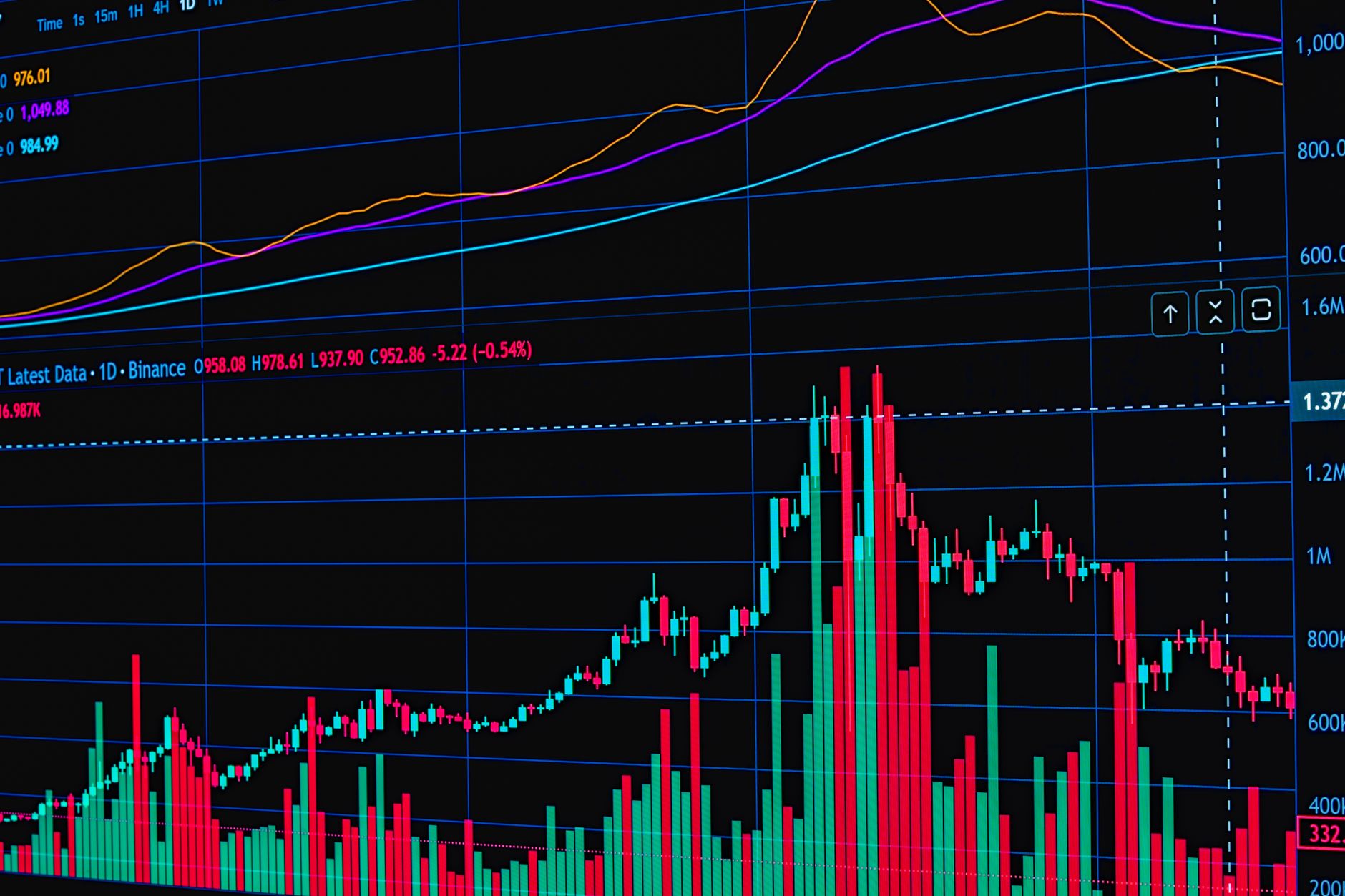
Khadim India trading window has closed ahead of the September quarter results, raising questions about the company’s financial outlook. Investors are keen to understand the implications of this decision.
Overview of Khadim India’s Trading Policies
Khadim India has recently implemented a trading window closure in anticipation of its September quarter results, a move that has raised eyebrows among investors and analysts alike. This decision is part of the company’s broader trading policies, which are designed to ensure compliance with regulatory requirements and maintain market integrity.
The trading window closure is a standard practice among publicly listed companies, particularly when they are about to release financial results. It aims to prevent insider trading by restricting access to sensitive information that could influence stock prices. However, some stakeholders are questioning whether this particular move is beneficial for Khadim India.
Key aspects of Khadim India’s trading policies include:
- Transparency: The company emphasizes the importance of transparent communication with its shareholders.
- Compliance: Adhering to the Securities and Exchange Board of India (SEBI) regulations is paramount.
- Timing: The timing of the trading window closure is often aligned with significant corporate events, such as earnings announcements.
As the market awaits the upcoming results, the closure of the trading window raises questions about how Khadim India’s trading policies will impact investor sentiment and stock performance in the short term.
Impact of Trading Window Closure
The recent closure of the trading window for Khadim India has raised eyebrows among investors and market analysts alike. This move comes just ahead of the company’s September quarter results, prompting concerns about potential implications for shareholders.
Many financial experts believe that the timing of the trading window closure could be indicative of underlying issues within the company. By halting trading activities, Khadim India may be attempting to manage sensitive information that could affect stock performance. However, this strategy has led to speculation and uncertainty in the market.
Key impacts of the trading window closure include:
- Investor Sentiment: The abrupt halt has left investors feeling anxious, as they are unable to make informed decisions regarding their holdings.
- Market Volatility: Speculation surrounding the company’s performance could lead to increased volatility in its stock price once trading resumes.
- Transparency Concerns: Critics argue that the closure may reflect a lack of transparency, potentially eroding trust among stakeholders.
As the market awaits the upcoming financial results, the impact of Khadim India’s trading window closure remains a focal point for investors, with many questioning whether this was the worst move the company could have made.
Analysis of September Quarter Expectations
The recent closure of the Khadim India trading window has raised eyebrows among investors and analysts alike. As the company approaches the September quarter results, expectations are mixed regarding its financial performance. With the trading window now closed, stakeholders are left speculating about the implications of this move.
Analysts suggest that several factors may influence Khadim India’s performance in the upcoming quarter:
- Market Trends: The retail sector has faced significant fluctuations, with changing consumer preferences and economic pressures impacting sales.
- Operational Efficiency: The company has been working on streamlining its operations, and the effectiveness of these measures will likely be reflected in the upcoming results.
- Competitive Landscape: Increased competition in the footwear market may pose challenges, making it crucial for Khadim India to adapt quickly.
- Consumer Sentiment: With rising inflation, consumer spending habits have shifted, potentially affecting footfall in retail outlets.
As investors await the September quarter results, the decision to close the trading window may be seen as a precautionary measure, providing time for the company to manage expectations and prepare for any potential market reactions. Analysts will be keenly observing how these factors play out in Khadim India’s performance.
Investor Reactions to Trading Decisions
As investors digested the news of Khadim India’s trading window closure, reactions varied widely, reflecting a mix of concern and strategic recalibration. Many shareholders expressed apprehension, fearing that this decision could signal potential volatility or undisclosed issues within the company.
Some investors took to social media platforms to voice their frustrations, suggesting that the timing of the closure, right before the announcement of September quarter results, raised red flags. One investor remarked, “This feels like a move to hide something negative. We deserve transparency.”
Conversely, a segment of the investor community viewed the trading window closure as a standard procedure, necessary to uphold regulatory compliance and ensure fair trading practices. “It’s common for companies to close their trading windows ahead of significant announcements,” noted a market analyst. “It’s not always indicative of bad news.”
In light of these contrasting sentiments, investors have turned their focus to historical performance and underlying fundamentals of Khadim India. Many are now pondering whether this trading window closure could ultimately affect the stock’s trajectory in the long term. The sentiment in the market remains mixed, as stakeholders await further clarity on the company’s financial health and future plans.
As the September quarter results approach, the atmosphere continues to be charged with speculation and cautious optimism.
Market Trends Influencing Khadim India
The recent closure of the Khadim India trading window has stirred significant discussions among investors and market analysts, particularly as it arrives ahead of the company’s quarterly results. Several market trends are currently influencing the sentiments surrounding this strategic decision.
Firstly, the current economic climate reflects a cautious approach from investors. With inflation rates fluctuating and consumer spending showing signs of strain, companies like Khadim India must navigate these challenges carefully. Analysts believe that the timing of the trading window closure might suggest internal concerns regarding performance.
Secondly, the footwear industry is witnessing shifts due to changing consumer preferences. The rise of e-commerce platforms has altered traditional retail dynamics, compelling established players to adapt swiftly. Investors are keenly observing how Khadim India plans to tackle these evolving market conditions.
Additionally, the overall stock market has been volatile, influenced by global economic uncertainties. This instability prompts investors to rethink their positions, particularly in companies showing signs of unease. As a result, the closure of the trading window has raised eyebrows, with many questioning the timing and its implications for shareholder value.
In conclusion, as market trends continue to evolve, the implications of Khadim India’s trading policies will require close monitoring to gauge their impact on future performance.
Expert Opinions on Financial Outlook
As the news of Khadim India’s trading window closure spreads, financial experts are weighing in on the potential implications for the company and its shareholders. Many analysts express concern that this move may signal deeper issues within the company’s financial health.
Rajesh Kumar, a well-known market analyst, stated, “The closure of the trading window ahead of the September quarter results raises red flags. It often indicates that there could be unfavorable news coming, which might not sit well with investors.” Kumar emphasized that transparency is crucial, and such actions could lead to a decline in investor confidence.
Another expert, Meera Patel, noted, “Khadim India’s decision to close its trading window could limit insider trading but may also indicate a lack of readiness to disclose financial results. This can trigger a negative market response.”
Investors are advised to remain cautious as the trading window closure could lead to volatility in Khadim India’s stock prices. Many are questioning whether this is indeed the worst move for the company, particularly given the current market trends.
Experts recommend keeping a close watch on upcoming announcements from Khadim India, as these will provide more clarity on the company’s direction and financial stability.
Historical Context of Trading Windows
The concept of trading windows has long been a pivotal aspect of corporate governance, particularly in publicly listed companies. Khadim India, a well-known footwear manufacturer, recently closed its trading window, raising concerns among investors and analysts alike. To understand the implications of this decision, it is essential to look back at how trading windows have historically functioned in the corporate landscape.
Trading windows are periods during which insiders, such as executives and board members, are permitted to buy or sell shares of their company’s stock. These windows are designed to prevent insider trading and ensure that all investors have equal access to information. Companies typically announce the opening and closing of these windows in relation to key financial events, such as earnings releases.
In the past, Khadim India has followed a standard practice of closing its trading window ahead of significant announcements. However, this latest closure has sparked debate among stakeholders regarding its necessity and timing. Critics argue that closing the trading window before the release of quarterly results can create uncertainty, leading to potential volatility in share prices.
As Khadim India navigates the complexities of its trading window policy, the decision will undoubtedly influence investor sentiment and market behavior. The upcoming September quarter results will serve as a critical test for both the company and its trading strategies.
Future Predictions for Khadim India
As Khadim India navigates its trading window closure, analysts are turning their attention to future predictions regarding the company’s performance. Several factors could influence the trajectory of Khadim India in the upcoming months.
Firstly, the overall market sentiment is shifting, with increased volatility in retail and consumer sectors. This environment may lead to cautious trading behavior among investors, prompting speculation on the implications of Khadim India’s trading window decisions.
Secondly, the company’s ability to innovate and adapt to changing consumer preferences will be crucial. The footwear market is evolving, and brands that fail to respond effectively may struggle to maintain their market share.
Additionally, Khadim India’s financial health will be assessed closely, particularly in light of its recent trading window closure. Investors are likely to scrutinize quarterly results for signs of growth or decline.
- Market Dynamics: How will competition from emerging brands affect Khadim India?
- Consumer Trends: Will shifts towards online shopping impact sales?
- Strategic Moves: Can Khadim India leverage new partnerships or product lines to boost performance?
In conclusion, while the trading window presents challenges, it also opens opportunities for Khadim India to realign its strategies and potentially emerge stronger in the market.
The Khadim India trading window has raised eyebrows among investors, prompting concerns about its long-term impact. Analysts are debating whether the Khadim India trading window could be a strategic misstep that might affect the company’s market position.
Sources
Related stories
SPX6900 listing vote: Best surge with proven hype · JSW One Platforms IPO: Is It the Best Investment Opportunity? · Toyota Fortuner update: Best Proven Features to Expect