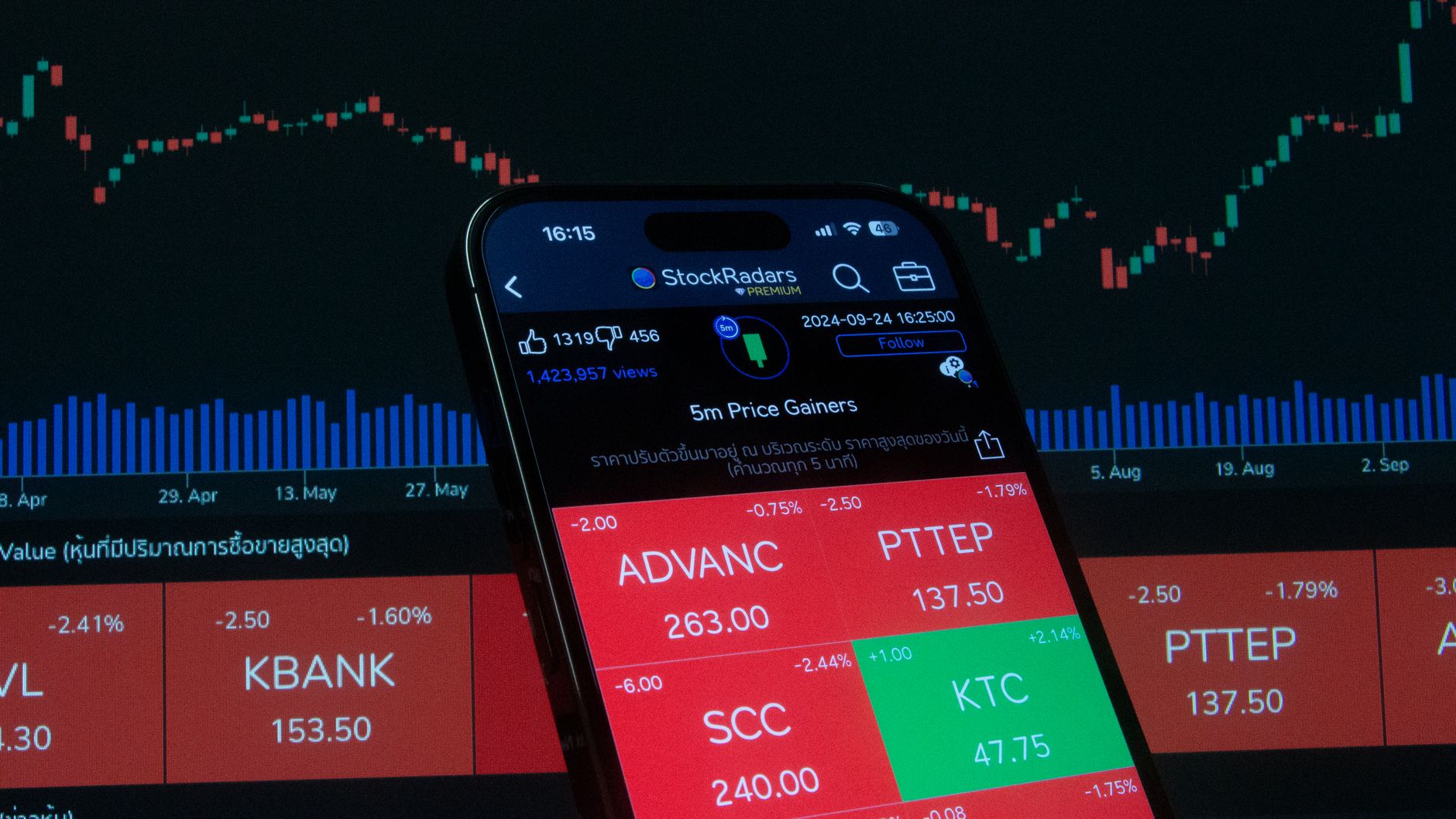
The Sensex market crash has sent shockwaves through investors as it plummeted by 1,000 points. This significant decline is largely attributed to a rebound in crude prices, which has impacted market stability.
Understanding the Sensex Decline
The recent Sensex market crash has left investors reeling as the index experienced its worst drop of the year. On this occasion, the Sensex plummeted by 1,000 points, pushing the Nifty below the critical level of 22,850. Analysts point to several factors contributing to this sudden decline.
- Crude Oil Prices: A rebound in crude prices has significantly impacted investor sentiment, driving fears of inflation and increased costs for businesses.
- Global Economic Concerns: Worries about a potential global economic slowdown have also influenced market movements, leading to a cautious approach among investors.
- Domestic Issues: Political and economic instability within the country has further exacerbated the situation, causing a ripple effect on market confidence.
As the market continues to react to these developments, many investors are left questioning the stability of the financial landscape. The volatility observed in recent days highlights the need for a thorough understanding of market dynamics and external influences.
Key Factors Behind Market Movements
The recent Sensex market crash has left investors reeling, with several key factors contributing to this drastic decline. Among the primary influences are:
- Surge in Crude Oil Prices: The recent rebound in crude prices has raised concerns over inflation and increased costs for businesses, which negatively impacts profit margins.
- Global Economic Uncertainty: Uncertainties in global markets, including geopolitical tensions and changing monetary policies, have resulted in heightened volatility, prompting investors to reassess their portfolios.
- Domestic Economic Indicators: Disappointing economic data from India, including slow GDP growth and rising unemployment rates, has added to the bearish sentiment in the markets.
- Foreign Institutional Investors (FIIs): A wave of selling by FIIs in response to global cues has further pressured the market, leading to widespread declines across major indices.
These factors combined have created a perfect storm, triggering the worst drop of the year and leaving many to speculate on the future trajectory of the markets.
Impact of Crude Prices on Stocks
The recent Sensex market crash has been significantly influenced by the surge in crude oil prices, which has raised concerns among investors. As crude prices continue to climb, the implications for various sectors are becoming increasingly evident.
High crude prices typically lead to increased costs for businesses, particularly in transportation and manufacturing. This phenomenon can result in reduced profit margins, prompting investors to reassess their positions in stocks. The following points highlight the impact of rising crude prices on the stock market:
- Increased Operational Costs: Companies reliant on oil for their operations face higher expenses, affecting their bottom lines.
- Inflation Worries: Rising crude costs can contribute to overall inflation, prompting central banks to consider interest rate hikes.
- Sector Sensitivity: Industries such as airlines and logistics are particularly vulnerable to fluctuations in crude prices, leading to stock sell-offs.
As the market grapples with this volatility, investors remain cautious, reflecting on the broader economic implications of the current rise in crude oil prices.
Investor Reactions to Market Changes
As the Sensex market crash continues to send shockwaves through the investment community, reactions among investors have varied widely. Many are expressing deep concern over the sudden and significant drop in stock prices, which has left portfolios vulnerable.
Investors are responding in several ways:
- Panic Selling: Some traders have opted for immediate liquidation of their holdings, fearing further declines in the wake of the market crash.
- Increased Caution: Others are adopting a more cautious approach, choosing to stay on the sidelines as the situation unfolds.
- Long-term Strategies: A segment of investors is viewing the decline as a potential buying opportunity, believing that the market will eventually recover.
Market analysts emphasize the importance of staying informed during turbulent times, as the repercussions of the Sensex market crash could extend beyond immediate financial losses. Keeping an eye on global trends and economic indicators will be vital for investors in the coming weeks.
Historical Context of Market Drops
The recent Sensex market crash marks a significant moment in the financial landscape, echoing past declines that have shaped investor sentiment. Historical data shows that the Indian stock market has experienced several severe drops over the years, often triggered by a combination of global and domestic factors.
Notably, the market faced a notable decline in 2020 during the onset of the COVID-19 pandemic, which saw the Sensex plummet due to heightened uncertainty and economic disruption. Similarly, the 2008 financial crisis resulted in a drastic market downturn, underscoring the vulnerability of the stock market to external shocks.
In addition to international crises, regional issues such as inflation, currency fluctuations, and changes in government policy have also contributed to significant market falls historically. Current events, such as the recent surge in crude oil prices, remind investors of the cyclical nature of market movements and the inherent risks involved in equity investments.
As history indicates, the road to recovery can be lengthy, requiring patience and strategic planning from investors navigating these turbulent waters.
Future Predictions for Sensex
As investors grapple with the recent Sensex market crash, analysts are making predictions about the future trajectory of the index. With the market down significantly, many are concerned about potential further declines or a swift recovery.
Several factors will influence the Sensex in the coming weeks:
- Global Economic Indicators: The international economic landscape, including inflation rates and interest policies in major economies, will play a crucial role in shaping market sentiment.
- Domestic Economic Policies: The Indian government’s fiscal policies and regulatory changes can either support recovery or exacerbate the current downturn.
- Crude Oil Prices: Continued fluctuations in crude prices could lead to further instability, impacting inflation and corporate earnings.
- Investor Sentiment: The emotional response of investors in the wake of the crash may determine whether panic selling continues or if confidence returns.
In summary, the outlook for the Sensex remains uncertain, with key factors poised to influence its recovery or further decline in the near future.
Strategies for Navigating Market Volatility
The recent Sensex market crash has left many investors anxious about their portfolios. However, navigating market volatility requires a strategic approach. Here are some effective strategies to consider:
- Diversification: Spread investments across various sectors to mitigate risks associated with a single market downturn.
- Stay Informed: Keep abreast of market trends and economic indicators that can influence stock prices, such as crude oil fluctuations.
- Focus on Fundamentals: Invest in companies with strong balance sheets and solid growth prospects, which can weather market volatility better than others.
- Set Clear Goals: Define your investment objectives and risk tolerance to guide your decision-making during turbulent times.
- Utilize Dollar-Cost Averaging: Invest a fixed amount regularly, which can lower the average cost per share over time, especially during downturns.
By implementing these strategies, investors can better manage their risk and potentially capitalize on opportunities that arise from market fluctuations.
The recent Sensex market crash has sent shockwaves through the investment community, raising concerns about the stability of the Indian economy. Analysts are now predicting that this Sensex market crash could lead to further volatility in the stock market as investors react to rising crude oil prices.
References
Related reading
Bitcoin ETF Inflows: Smart Strategies for Investors · Work uniforms tax reduction: Simple proven ways to save · Khadim India Trading Window: Is This the Worst Move?