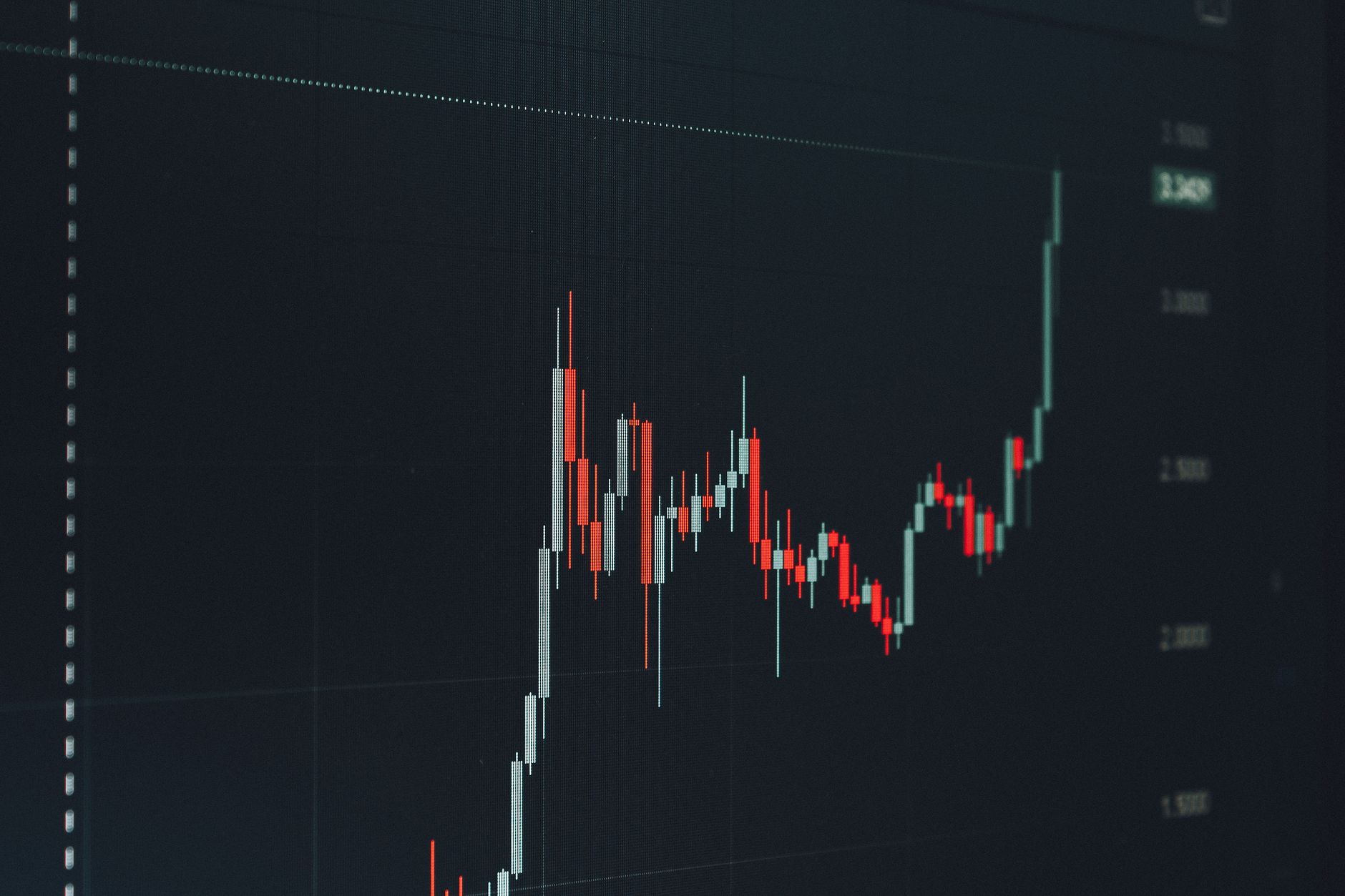
US inflation trends are becoming a focal point for economists and consumers alike. Recent data suggests a potential easing after a brief surge, prompting discussions on its implications for the economy.
Understanding Current US Inflation Trends
Recent data indicates that US inflation trends are beginning to shift, showing signs of moderation after a brief uptick. Economists suggest that this cooling effect may stem from various factors, including improved supply chain dynamics and adjustments in consumer demand.
The following points outline key aspects of the current inflation landscape:
- Energy Prices: A decline in energy costs has contributed to easing inflationary pressures.
- Food Costs: Stabilization in food prices is expected, which may also help control overall inflation.
- Consumer Spending: Shifts in consumer spending habits are influencing demand, leading to a potential slowdown in price increases.
As these trends unfold, it will be crucial for consumers and policymakers alike to stay informed and adaptable to the changing economic landscape.
The Impact of Inflation on Consumer Spending
The impact of inflation on consumer spending is significant, particularly as the US inflation trends continue to evolve. As prices rise, households often find themselves adjusting their budgets to accommodate increased costs.
Consumers may prioritize essential goods over discretionary spending, leading to shifts in purchasing behavior. Some key effects include:
- Reduced discretionary spending: As inflation strains budgets, many households cut back on non-essential items, impacting various sectors.
- Increased demand for discounts: Shoppers are more inclined to seek out sales and bargain options, influencing retail strategies.
- Shift towards private labels: An increase in the popularity of store-brand products as consumers look for cost-effective alternatives.
Understanding these impacts is vital for businesses aiming to adapt to changing consumer preferences amid fluctuating US inflation trends.
US Inflation Trends and Economic Predictions
The latest analyses of US inflation trends suggest a potential easing following recent fluctuations. Economists predict that the inflation rate may stabilize as supply chain issues continue to resolve and energy prices stabilize.
Key factors influencing these trends include:
- Interest Rate Adjustments: The Federal Reserve’s monetary policy changes are expected to play a crucial role in controlling inflation.
- Consumer Behavior: Shifts in purchasing habits could also affect demand, potentially leading to a slowdown in price increases.
- Global Economic Conditions: International market dynamics, including trade relations, will further impact domestic inflation.
As these factors unfold, keeping an eye on US inflation trends will be essential for consumers and businesses alike to navigate the economic landscape effectively.
Strategies to Cope with Rising Prices
As consumers face the challenges posed by rising prices, it is essential to implement effective strategies to cope with these changes. Here are some proven methods to navigate the current US inflation trends:
- Budget Wisely: Reassess your monthly budget to prioritize essential expenses and reduce discretionary spending.
- Shop Smart: Take advantage of sales, use coupons, and compare prices to ensure you are getting the best deals.
- Invest in Quality: Sometimes, spending slightly more on high-quality products can lead to savings in the long run due to durability.
- Consider Alternatives: Explore generic or store-brand products that may offer similar quality at a lower price.
- Stay Informed: Keep up with the latest news on US inflation trends to make informed financial decisions.
Analyzing Recent Inflation Data
Recent data on US inflation trends indicate a complex landscape as the economy adjusts to various pressures. According to the latest reports, inflation has shown signs of stabilizing after a recent uptick, which has raised concerns among consumers and policymakers alike.
Key factors influencing these trends include:
- The fluctuating prices of essential goods, particularly food and energy.
- Supply chain disruptions that continue to affect availability and pricing.
- Changes in consumer demand as households adapt to economic conditions.
Despite the recent increase, experts suggest that inflation may not escalate further, offering a glimmer of hope for consumers facing rising costs. Understanding these trends is crucial for individuals and businesses as they strategize for the future in an ever-evolving economic landscape.
Photo by Markus Winkler on Pexels
References
Related stories
Sensex Nifty performance: Is it the worst start of Samvat 2083? · Cheque Book Rules: The Clear Truth Behind Viral Claims · Capital India Finance Results: Clear Insights into Performance